Key takeaways
- Neko Health scanning is interesting as a structured prevention track, but it is not a medical conclusion machine.
- The greatest value lies in baseline, triage and sober follow-up rather than wow effect.
- Full-body scanning can find relevant signals, but also create incidentals and unnecessary worry.
- The best question is not whether the scan looks advanced, but what actually happens afterwards.
Medical disclaimer: Content is for informational purposes and does not replace medical advice.
Why Neko Health takes up so much space
Neko Health stands out because the company has made preventive scanning easy to understand for a wider public. The concept fits directly into the modern longevity narrative of early discovery, data-driven insight and less friction between technology and health. PMID 34215890 PMID 32423490
This is precisely why the topic is important for a Danish longevity site. The user is not only searching for the brand. The user searches for answers to whether full-body scanning is a serious prevention tool or just a great healthtech experience. PMID 34215890 PMID 32423490
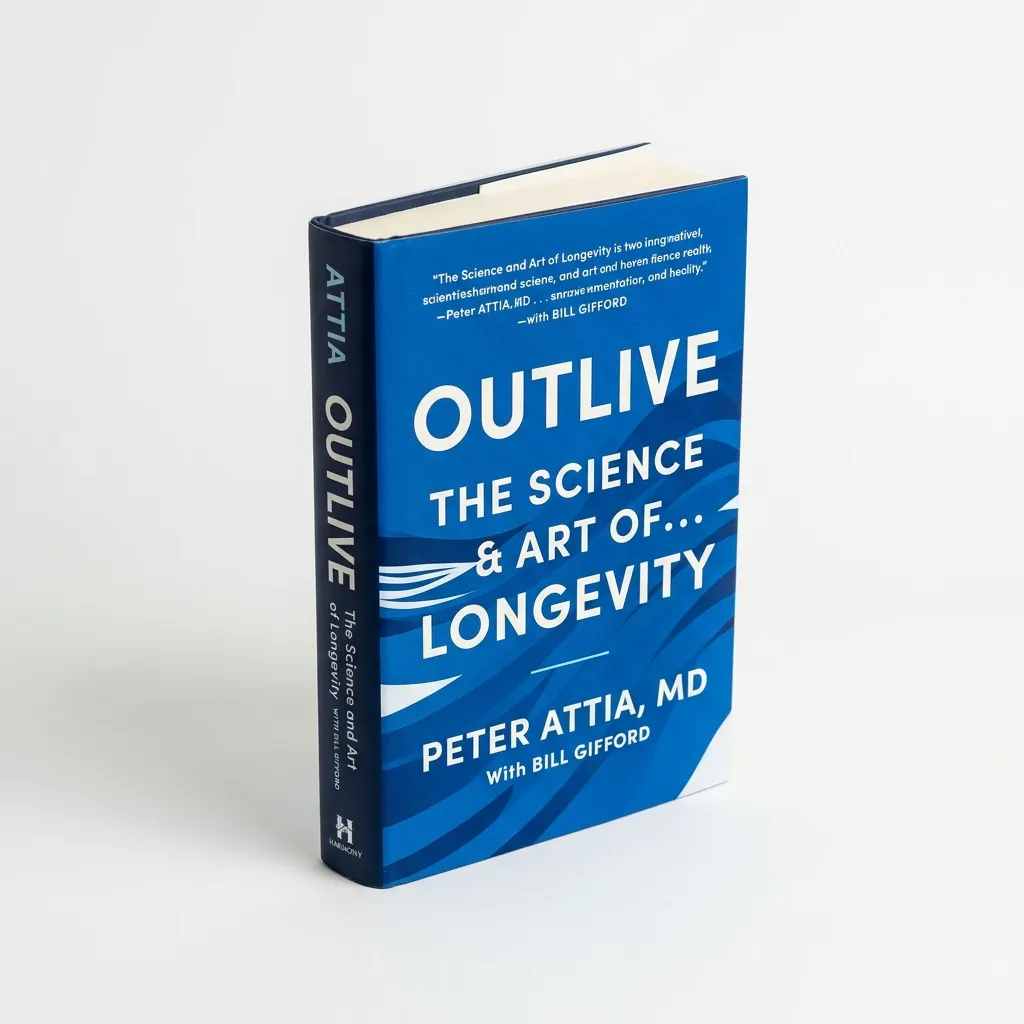
Outlive: The Science & Art of Longevity
Dr. Peter Attia's groundbreaking guide to preventive medicine, exercise for longevity, and healthy aging.
- Scientific framework for Medicine 3.0
- Actionable guide on sleep, exercise & nutrition
What a preventive full-body scan is typically good for
The scanning model is typically best for creating a clear baseline image, where the user gets several measurements together in a simple experience. It may be relevant for people who otherwise never have their circulation, skin changes, blood pressure, body composition or other simple risk signals assessed. PMID 32423490 PMID 30932247
The value lies not only in the measurements themselves, but in the fact that the user is moved from diffuse curiosity to more structured follow-up. If done well, the scan can act as a triage between rest, lifestyle adjustment and further clinical assessment. PMID 32423490 PMID 30932247
What a scan alone does not solve
No preventive scan removes the classic challenge: more data is not the same as better decision. A scan can overlook relevant conditions, it can find unclear findings, and it cannot alone take over the clinical responsibility for symptoms or suspected disease. PMID 30932247 World Health Organization (WHO)
Therefore, a platform like Neko Health should be assessed based on the entire process. Who takes responsibility for explanation, follow-up, referral and the line between interesting findings and actual medical action? PMID 30932247 World Health Organization (WHO)
Who typically gets the most value
The typical user who gets the most out of a Neko-like scan is not necessarily the geekiest biohacker. This is often a person with a high interest in prevention, relatively low recent contact with systematic screening and a willingness to act on the findings. World Health Organization (WHO) Neko Health Whitepaper
Conversely, the benefit is less if the user expects that a single scan can replace doctor contact, classic blood tests, symptom history or a longer health course. World Health Organization (WHO) Neko Health Whitepaper
A booking filter in three steps
Many are not in doubt about the curiosity, but in doubt about the decision. Therefore, it makes sense to use a simple booking filter before getting carried away by brand, design and preventive storytelling. Neko Health Whitepaper Sundhedsstyrelsen
The most important thing is not just whether the experience looks premium, but whether it structures the next step better than the alternatives you already have. Neko Health Whitepaper Sundhedsstyrelsen
How the subject fits into precision medicine
Neko Health is interesting precisely because the company sits between consumer product, diagnostics and clinical prevention. A structured scan provides maximum value when integrated with traditional risk markers, comprehensive blood panels and a long-term health plan. Sundhedsstyrelsen
For the individual, the key is using this technology for timely detection of cardiovascular risks and dermatological changes, without overreacting to benign findings or replacing necessary physician follow-up. Sundhedsstyrelsen
The sensor architecture of Neko Body Scan: Far beyond a dermatological camera
Neko Health—co-founded by Hjalmar Nilsonne and Spotify founder Daniel Ek—has garnered widespread international attention across Northern Europe by reimagining preventive wellness screening. While traditional checkups rely on stethoscopes and routine venous panels, Neko Health packages dozens of advanced biometric optical sensors into an automated booth delivering full-body data capture in minutes. PMID 34215890 PMID 32423490 Neko Health Whitepaper
Its core technological architecture comprises three primary diagnostic modalities: PMID 34215890 PMID 32423490 Neko Health Whitepaper
1. **360-Degree 3D Total-Body Dermatoscopy**: The scanner captures millions of 3D coordinates and ultra-high-resolution photographic data across the entire epidermal surface. A computer-vision neural network indexes, measures, and tracks every nevus (size, border irregularity, color pigmentation, and vertical elevation), allowing automated longitudinal tracking between sequential annual scans. PMID 34215890 PMID 32423490 Neko Health Whitepaper
2. **Non-Invasive Cardiovascular Telemetry**: Optical and laser Doppler sensors record central and peripheral **Pulse Wave Velocity (PWV)**, arterial stiffness, and microvascular blood perfusion, detecting early vascular stiffening years prior to formal diagnosis of systemic hypertension. PMID 34215890 PMID 32423490 Neko Health Whitepaper
3. **Volumetric Body Composition and Venous Outflow**: Photogrammetric lasers model subcutaneous fat distribution, muscle volume symmetry, and peripheral dependent edema in the lower limbs indicative of venous insufficiency. PMID 34215890 PMID 32423490 Neko Health Whitepaper
| Sensor Architecture | Target Physiological Biomarker | Clinical Preventive Utility | Diagnostic Boundary |
|---|---|---|---|
| 3D Macro Cameras & AI | 360-degree nevus & lesion mapping | High sensitivity for early melanoma detection | Cannot replace surgical excision and histopathology |
| Optical PWV Sensors | Arterial pulse wave velocity and stiffness | Earliest vascular marker of cardiovascular strain | Transiently influenced by caffeine, stress, and ambient room temp |
| Laser Doppler Perfusion | Microvascular dermal perfusion | Screens for peripheral neuropathy and microangiopathy | Non-specific signal requiring formal clinical context |
| 3D Photogrammetry | Adipose distribution & dependent edema | Objective volume and venous drainage tracking | Does not quantify bone mineral density like a medical DEXA |
The screening dilemma: Early detection utility vs incidentalomas and 'scanxiety'
Preventive medicine strictly adheres to the timeless **Wilson and Jungner WHO screening criteria**: An asymptomatic screening intervention is only clinically justified if it detects pathology at an actionable early window where intervention improves survival without subjecting healthy populations to excessive collateral harm. PMID 30932247 World Health Organization (WHO) Sundhedsstyrelsen
The central vulnerability in multiplex whole-body screening is the unavoidable cascade of **incidentalomas (benign incidental anomalies)** and ensuing 'scanxiety' (health-related panic). When tens of thousands of data points are cross-referenced simultaneously, statistical anomalies inevitably arise in completely healthy individuals. PMID 30932247 World Health Organization (WHO) Sundhedsstyrelsen
A benign melanocytic nevus flagged as borderline atypical by an algorithm may prompt unnecessary surgical excision; an isolated fluctuation in vascular wave reflections can induce severe health anxiety. Grounded clinical consultation before and after algorithmic scanning is essential. PMID 30932247 World Health Organization (WHO) Sundhedsstyrelsen
Cross-border Nordic availability, transparent pricing, and healthcare follow-up
Neko Health presently operates dedicated diagnostic clinics in **Stockholm and London**, maintaining substantial waiting queues. Many health-conscious Danish and European residents commute to Stockholm specifically to complete the scan. Neko Health Whitepaper Sundhedsstyrelsen
Pricing is transparently set at **299 EUR (approx. 2,250 DKK)**, covering the complete sensor capture alongside an on-site clinical consultation with a registered physician. Neko Health Whitepaper Sundhedsstyrelsen
Should the scan detect meaningful anomalies, the patient receives a comprehensive cryptographic digital health dossier. However, public healthcare systems (such as general practitioners in Denmark) will only initiate secondary hospital referrals if the GP confirms genuine clinical indications under national medical guidelines. Neko Health Whitepaper Sundhedsstyrelsen
Internal Further Reading
Read also in the same cluster
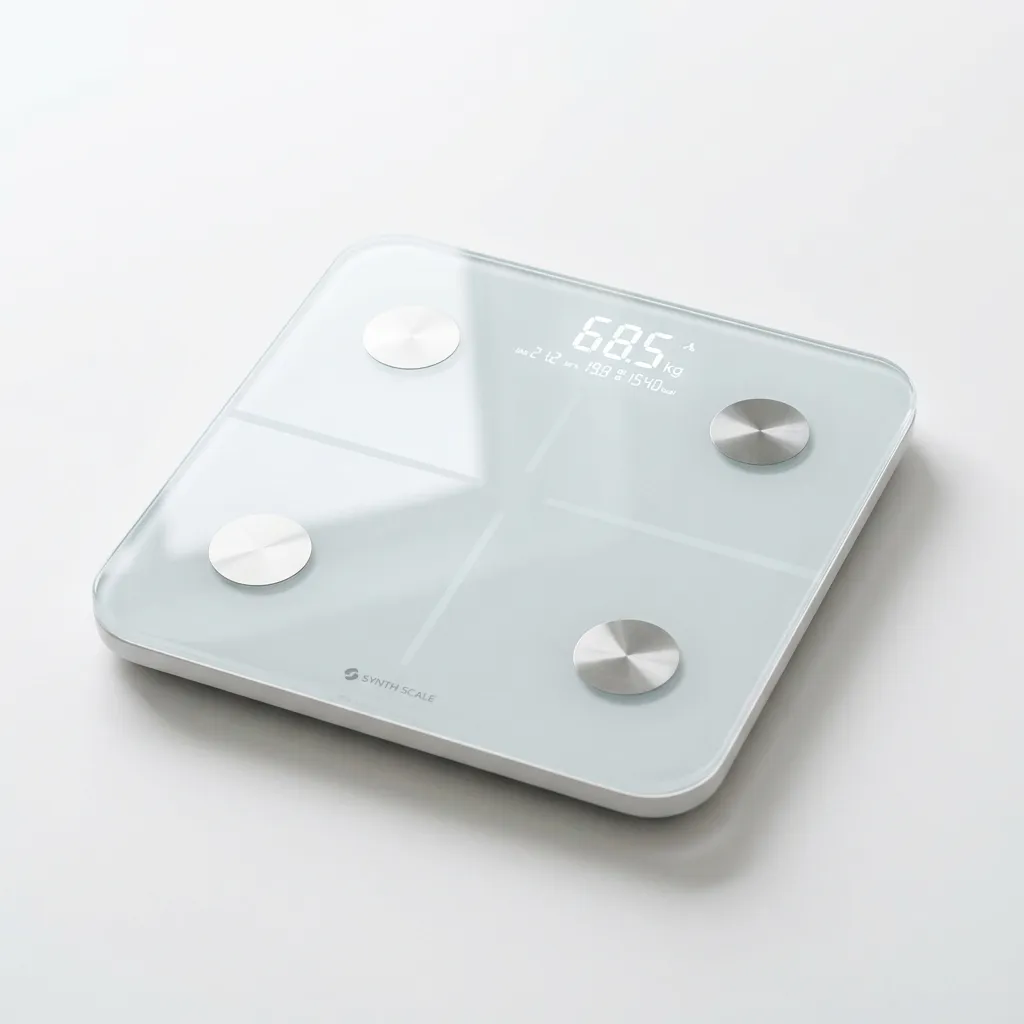
Smart Body Composition Scale
Advanced bioimpedance scale tracking muscle mass, body fat percentage, bone density and hydration.
- Tracks muscle mass & visceral fat
- Wireless sync with health apps
FAQ
Is the Neko Health scan the same as a medical examination?
No. A scan can be a structured layer of prevention, but it does not replace classic clinical assessment, symptom history or relevant medical follow-up.
Can a full-body scan find everything important?
No. It may find some signals, but no scan covers the whole health picture or rules out all relevant problems.
Who does this type of scan make the most sense for?
Typically users with a clear interest in prevention, a need for a baseline and a willingness to act on concrete findings.
Is it a good alternative to private blood tests?
Not as a direct alternative. The two tracks solve different tasks and can in some cases complement each other.
What is the most important thing to ask before booking?
What is measured, what is not measured, how findings are explained and who takes responsibility for further follow-up if something looks wrong.
What if I already have symptoms or am concerned about illness?
Then it is rarely enough to start with a premium scan alone. In the case of actual symptoms or clear disease concern, classic clinical assessment and relevant medical contact should be prioritized first.
Is Neko Health currently operational in Denmark?
No. Neko Health operates dedicated facilities in Stockholm and London. Danish residents frequently travel to Stockholm for appointments, although waiting lists can be substantial.
Does a Neko Health scan replace a doctor visit or a full-body MRI?
No. Neko Health assesses epidermal health (moles, skin lesions) and cardiovascular arterial stiffness, but does not visualize deep internal organs like whole-body MRI, nor does it replace specialized medical consultations.
Will health insurance cover the cost of a Neko Health scan?
No. Elective asymptomatic preventive health screenings are out-of-pocket self-pay (~299 EUR / 2,250 DKK) and are not covered by statutory public health systems or standard private health insurance policies.
Sources and References
- [1]
- [2]
- [3]
- [4]
Editorial History
17. April 2026
First publication
Initial version was published as part of the precision medicine with introduction, takeaways, FAQ, and reference block.
17. April 2026
Medical review
Phrasing, caveats, and internal links were reviewed for clarity, consistency, and YMYL alignment.
4. July 2026
Latest update
Neko Health scan received updated metadata, reference outputs, and improved decision-support structure.

Medical Review
Medical Review and Update Process
This article has been medically reviewed by Vadim Doroshenko with a focus on clinical accuracy, sources, disclaimers, and whether the conclusions still align with current scientific evidence.

Editorial Profile
Borys Viktorovytj Riabtsev
Borys Viktorovytj Riabtsev publishes Longevity Lab as a research-backed information project on precision medicine, metabolic health, and healthy aging, utilizing rigorous sources, independent medical review, and objective YMYL communication.