Key takeaways
- Sarcopenia is defined by a simultaneous loss of muscle strength, muscle quantity/quality, and physical performance (EWGSOP2 criteria).
- Anabolic resistance means older adults require 30–40 grams of protein per meal to maximize muscle protein synthesis (MPS).
- Leucine is the key amino acid activating the mTORC1 pathway; achieving a sufficient leucine threshold (~3g per meal) is essential.
- Heavy, progressive resistance training (6–12 reps with high mechanical tension) is the most effective intervention against muscle loss.
- Skeletal muscle acts as an endocrine organ: contraction releases myokines (e.g., IL-6, irisin) that suppress systemic inflammation.
- Creatine monohydrate (3–5g daily) combined with resistance training enhances muscle mass, bone mineral density, and cognitive function in older adults.
Medical disclaimer: Content is for informational purposes and does not replace medical advice.
What is Sarcopenia? Definition and Diagnostic Criteria
Sarcopenia (from the Greek 'sarx' for flesh and 'penia' for loss) was historically regarded as an inevitable sign of aging, but today it is formally classified as a distinct muscle disease (ICD-10 code M62.84). The European Working Group on Sarcopenia in Older People (EWGSOP2) updated its consensus definition in 2019. Diagnosis follows a three-step pathway: low muscle strength signals probable sarcopenia; diagnosis is confirmed by documentation of low muscle quantity or quality; and severe sarcopenia is identified when physical performance is also impaired. PMID 30312372
Grip strength (measured with a hand dynamometer) and the Chair Stand Test are used in clinical practice to evaluate muscle strength. Muscle mass is quantified accurately using bioelectrical impedance analysis (BIA) or DEXA scanning. A man with a grip strength below 27 kg or a woman below 16 kg is considered high-risk. Preserving muscle mass is therefore not a cosmetic preference, but one of the most vital metrics determining functional healthspan and independence in later life. PMID 30312372
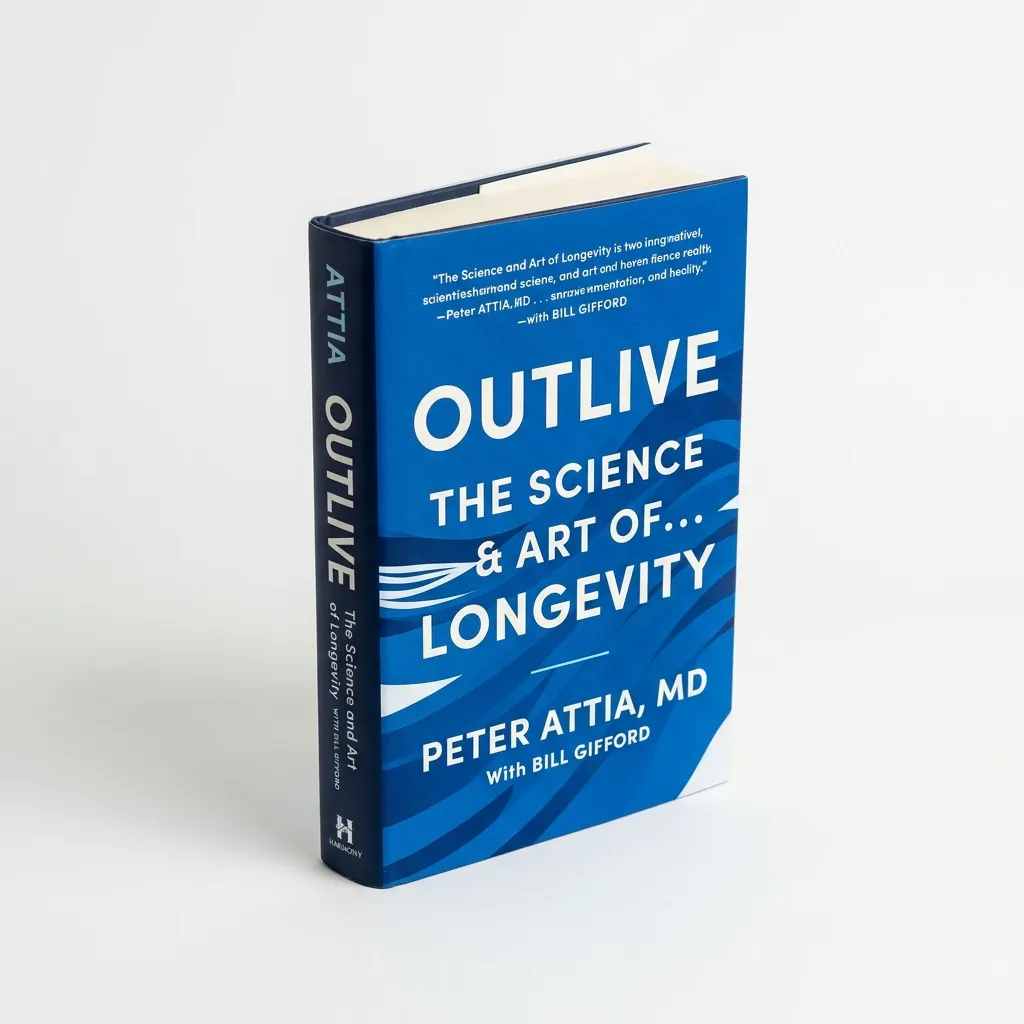
Outlive: The Science & Art of Longevity
Dr. Peter Attia's groundbreaking guide to preventive medicine, exercise for longevity, and healthy aging.
- Scientific framework for Medicine 3.0
- Actionable guide on sleep, exercise & nutrition
Biological Mechanisms: Anabolic Resistance, Motor Unit Loss, and Inflammation
Why do we lose muscle mass as we age? The primary driver is a phenomenon known as anabolic resistance. In younger muscles, small amounts of dietary amino acids and insulin trigger a robust increase in muscle protein synthesis (MPS). In older muscles, cellular signaling pathways (specifically the mTORC1 complex) become blunted. Consequently, higher blood concentrations of essential amino acids are required to achieve the same anabolic response. PMID 23867520 PMID 28698222
Additionally, there is a progressive loss of alpha-motor neurons in the spinal cord, leading to denervation and atrophy of fast-twitch Type II muscle fibers. This process is exacerbated by chronic, low-grade inflammation (inflammaging) characterized by elevated TNF-alpha and IL-6, which promote muscle protein breakdown (proteolysis). Simultaneously, anabolic hormones such as testosterone, DHEA, and IGF-1 decline, while mitochondrial dysfunction within muscle cells impairs ATP production and elevates oxidative stress. PMID 23867520 PMID 28698222
Nutrition for Sarcopenia: Protein Distribution, Leucine Threshold, and Timing
Traditional recommended daily allowances (RDA) for protein intake (0.8 g/kg) were established to prevent deficiency in young, sedentary individuals and are insufficient to counteract anabolic resistance in adults over 50. Leading expert consensus groups (such as the PROT-AGE Study Group) recommend a daily intake of 1.2 to 2.0 grams of protein per kilogram of body weight for older adults, and up to 2.2 g/kg for those engaged in resistance training or rehabilitation. PMID 23867520 PMID 24257405
Equally important as total daily intake is protein distribution throughout the day. Consuming 10g of protein at breakfast and 70g at dinner is inefficient because breakfast fails to reach the anabolic leucine threshold (~3g leucine, equivalent to 30–40g of high-quality protein). To optimize muscle protein synthesis, protein intake should be distributed across 3–4 discrete meals per day, each supplying at least 30–40 grams of complete protein from sources such as eggs, poultry, fish, lean meat, whey protein, or complementary plant protein blends. PMID 23867520 PMID 24257405
Resistance Training as Medicine: Mechanical Tension and Myokine Secretion
No amount of protein can build muscle mass without the requisite mechanical stimulus. Progressive resistance training is the single most potent therapeutic intervention against sarcopenia. Exercise protocols must generate mechanical tension and recruit Type II muscle fibers that are otherwise neglected during aerobic activities like walking. Training major muscle groups (legs, back, chest, shoulders) 2–3 times per week at intensities of 65–80% of 1RM (6–12 repetitions per set) is recommended. PMID 31373872 PMID 23720333
Beyond direct hypertrophy, resistance training exerts profound systemic endocrine effects. When muscle cells contract against resistance, they secrete hundreds of bioactive peptides termed myokines (e.g., irisin, IL-15, and BDNF). Myokines act as anti-inflammatory agents that improve insulin sensitivity in liver and adipose tissue, stimulate neuroplasticity in the brain, and help protect against cognitive decline and bone loss. PMID 31373872 PMID 23720333
Evidence-Based Supplements: Creatine, HMB, and Vitamin D
While diet and exercise form the foundation, targeted supplementation can accelerate muscle mass recovery. Creatine monohydrate is the most thoroughly researched supplement for this purpose. Daily supplementation of 3–5 grams increases muscle phosphocreatine stores, enhances peak power output, increases cellular hydration, and supports cognitive health in older adults. Recent clinical evidence also demonstrates that creatine stimulates osteoblast activity, improving bone mineral density when combined with resistance training. PMID 24142400 PMID 26169181
HMB (beta-hydroxy-beta-methylbutyrate), a metabolite of leucine, possesses potent anti-catabolic properties and attenuates muscle breakdown during periods of bed rest or injury recovery. Furthermore, optimizing vitamin D status (serum 25(OH)D > 75 nmol/L) is essential, as vitamin D receptors (VDR) are expressed directly on skeletal muscle cells and influence both protein synthesis and fiber size. Together, these interventions constitute a complete, science-based strategy against sarcopenia. PMID 24142400 PMID 26169181
Internal Further Reading
Read also in the same cluster

Professional Percussive Massage Gun
High-torque percussive therapy device for deep muscle relief, circulation and post-workout recovery.
- Deep percussive impact for fast relief
- Quiet brushless motor with multiple heads
FAQ
What is the difference between sarcopenia and general weight loss?
General weight loss can involve loss of both fat and muscle mass. Sarcopenia is a specific, pathological loss of skeletal muscle mass, strength, and physical performance that often occurs even if overall body weight remains stable or increases (sarcopenic obesity).
Can you rebuild muscle mass over age 60 or 70?
Yes, absolutely. Clinical trials consistently demonstrate that older adults well into their 80s and 90s can achieve significant muscle hypertrophy and strength gains by combining progressive resistance training with adequate protein intake (30–40g per meal).
Is creatine safe for older adults?
Yes, creatine monohydrate is one of the most thoroughly researched dietary supplements in the world. Extensive studies confirm that a daily dose of 3–5 grams is safe for healthy older adults and provides clear benefits for muscle strength, bone density, and brain energy metabolism.
Sources and References
- [1]
- [2]
- [3]
- [4]
Show all 8 sources (4 more)
- [5]
- [6]
- [7]
- [8]
Editorial History
2. august 2026
Første publicering
Første version blev publiceret som del af healthy aging med intro, takeaways, FAQ og referenceblok.
2. august 2026
Faglig gennemgang
Formuleringer, forbehold og interne links blev gennemgået for klarhed, konsistens og YMYL-tydelighed.
2. august 2026
Seneste opdatering
Sarcopenia (2026) fik opdaterede metadata, referenceoutput og forbedret beslutningsnær struktur.

Medical Review
Medical Review and Update Process
This article has been medically reviewed by Vadim Doroshenko with a focus on clinical accuracy, sources, disclaimers, and whether the conclusions still align with current scientific evidence.

Editorial Profile
Borys Viktorovytj Riabtsev
Borys Viktorovytj Riabtsev publishes Longevity Lab as a research-backed information project on precision medicine, metabolic health, and healthy aging, utilizing rigorous sources, independent medical review, and objective YMYL communication.