Key takeaways
- Gut dysbiosis accelerates skin aging through systemic low-grade inflammation.
- Specific oral probiotics improve skin hydration and barrier function in clinical trials.
Medical disclaimer: Content is for informational purposes and does not replace medical advice.
What is the Gut-Skin Axis?
The gut-skin axis refers to the bidirectional neuroendocrine and immunological communication network linking the gastrointestinal tract and skin health. PMID 30108160
Intestinal barrier integrity, microbial metabolite production, and systemic immune priming directly influence dermal homeostasis, sebum composition, and epidermal barrier function. PMID 30108160

Redaktionen anbefaler
Collagen Duo
Combined collagen powder with type I and type II collagen, developed to enhance skin elasticity, reduce wrinkles, and support connective tissue.
- ✓ Reduces wrinkles and enhances skin firmness
- ✓ Highly soluble powder with neutral taste
Endotoxemia, Collagen Degradation, and Biological Skin Age
When intestinal hyperpermeability occurs, bacterial endotoxins (LPS) enter systemic circulation, initiating low-grade metabolic endotoxemia. PMID 30108160
Circulating LPS triggers systemic inflammatory responses, upregulating Matrix Metalloproteinases (MMPs)—enzymes responsible for degrading dermal collagen and elastin fibers. PMID 30108160
This chronic low-grade inflammation accelerates skin aging, leading to loss of skin elasticity, impaired hydration, and premature wrinkle formation. PMID 30108160
The Link Between SIBO, Rosacea, and Acne
Clinical research highlights strong correlations between gastrointestinal dysbiosis and dermatological conditions: PMID 30108160
• **Rosacea and SIBO**: Studies show that patients with rosacea have a significantly higher prevalence of SIBO. Eradicating SIBO leads to complete or marked clearance of rosacea symptoms in up to 70% of patients. PMID 30108160
• **Acne Vulgaris**: High-glycemic diets alter gut microbial balance and elevate IGF-1 signaling, increasing sebum production and follicular keratinization. PMID 30108160
• **Atopic Dermatitis & Psoriasis**: Reduced microbial diversity and low SCFA production weaken systemic immune regulation, aggravating chronic skin lesions. PMID 30108160
Nourishing Skin from the Inside: Probiotics, SCFAs, and Diet
Improving skin parameters through the gut requires targeted nutritional and microbial interventions: PMID 30108160
• **Microbial Short-Chain Fatty Acids**: Butyrate and propionate suppress dermal inflammation and promote keratinocyte differentiation. PMID 30108160
• **Targeted Probiotics**: Strains like Lactobacillus plantarum and Bifidobacterium breve enhance skin hydration and reduce UV-induced oxidative stress. PMID 30108160
• **Dietary Polyphenols & Omega-3s**: Marine omega-3 fatty acids and plant polyphenols nourish mucosal enterocytes and dermal fibroblasts simultaneously. PMID 30108160
Clinical Evaluation and Lifestyle Strategies for Gut-Skin Balance
Achieving a radiant complexion through gut health involves a holistic clinical strategy: PMID 30108160
1. **Identify Intestinal Triggers**: Evaluate food sensitivities, dysbiosis, or SIBO through comprehensive breath or stool testing. PMID 30108160
2. **Restore Barrier Integrity**: Utilize L-glutamine, zinc carnosine, and prebiotic fibers to seal the mucosal lining. PMID 30108160
3. **Incorporate Fermented Foods & Targeted Strains**: Consume bio-fermented foods and skin-supportive probiotic strains. PMID 30108160
4. **Manage Stress & Circadian Rhythm**: The brain-gut-skin axis is tightly regulated by cortisol and sleep quality; adequate rest directly reduces skin inflammation. PMID 30108160
Internal Further Reading
Read also in the same cluster
Redaktionen anbefaler
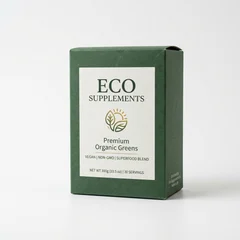
Eco Supplements
Wide selection of organic supplements, vitamins, protein powders, and superfoods for a healthier lifestyle in Denmark.
- ✓ Wide selection of top health brands
- ✓ Fast and secure delivery in Denmark
FAQ
Can oral probiotics help reduce wrinkles?
Clinical trials evaluating specific oral probiotics (e.g., L. plantarum HY7714) have demonstrated measurable improvements in skin hydration and facial skin elasticity after 12 weeks.
Why are rosacea and SIBO connected?
Studies indicate that up to 50-80% of rosacea patients have underlying SIBO. When SIBO is successfully treated, many patients experience significant resolution of facial erythema.
Can refined sugar damage skin via the gut?
Yes. High refined sugar consumption promotes gut dysbiosis and accelerates the formation of Advanced Glycation End-products (AGEs), which crosslink and degrade collagen.
Sources and References
- [1]
Editorial History
21. juli 2026
Første publicering
Første version blev publiceret som del af healthy aging med intro, takeaways, FAQ og referenceblok.
21. juli 2026
Faglig gennemgang
Formuleringer, forbehold og interne links blev gennemgået for klarhed, konsistens og YMYL-tydelighed.
21. juli 2026
Seneste opdatering
The Gut-Skin Axis fik opdaterede metadata, referenceoutput og forbedret beslutningsnær struktur.

Medical Review
Medical Review and Update Process
This article has been medically reviewed by Vadim Doroshenko with a focus on clinical accuracy, sources, disclaimers, and whether the conclusions still align with current scientific evidence.

Editorial Profile
Borys Viktorovytj Riabtsev
Borys Viktorovytj Riabtsev publishes Longevity Lab as a research-backed information project on precision medicine, metabolic health, and healthy aging, utilizing rigorous sources, independent medical review, and objective YMYL communication.