Key takeaways
- The glymphatic system is the brain's waste clearance pathway, operating primarily during deep slow-wave non-REM sleep.
- Astrocytes regulate fluid convection via AQP4 channels, permitting CSF to flush the interstitial space surrounding neurons.
- Sleep deprivation immediately halts clearance; even a single night of sleep loss significantly increases cortical beta-amyloid load.
- The interstitial space expands by up to 60% during deep sleep, drastically lowering resistance to convective CSF-ISF exchange.
- Sleep posture influences clearance efficiency; animal models suggest lateral position (side sleeping) optimizes glymphatic flow.
- Bioactive compounds like magnesium and apigenin prolong deep sleep stages, directly enhancing nightly brain waste removal.
Medical disclaimer: Content is for informational purposes and does not replace medical advice.
What is the Glymphatic System? The Mechanical Brain Rinse
The glymphatic system is a macroscopic waste clearance system within the central nervous system. The term is a combination of 'glial' and 'lymphatic', highlighting its cellular mediators (astrocytes) and its functional role as the brain's waste clearance pathway. PMID 25947369 PMID 32335198
The system operates by convective flow of cerebrospinal fluid (CSF) entering along periarterial channels, filtering through the brain parenchyma, mixing with interstitial fluid (ISF) containing metabolic waste, and exiting along perivenous pathways into the dural lymphatics and cervical lymph nodes. PMID 25947369 PMID 32335198
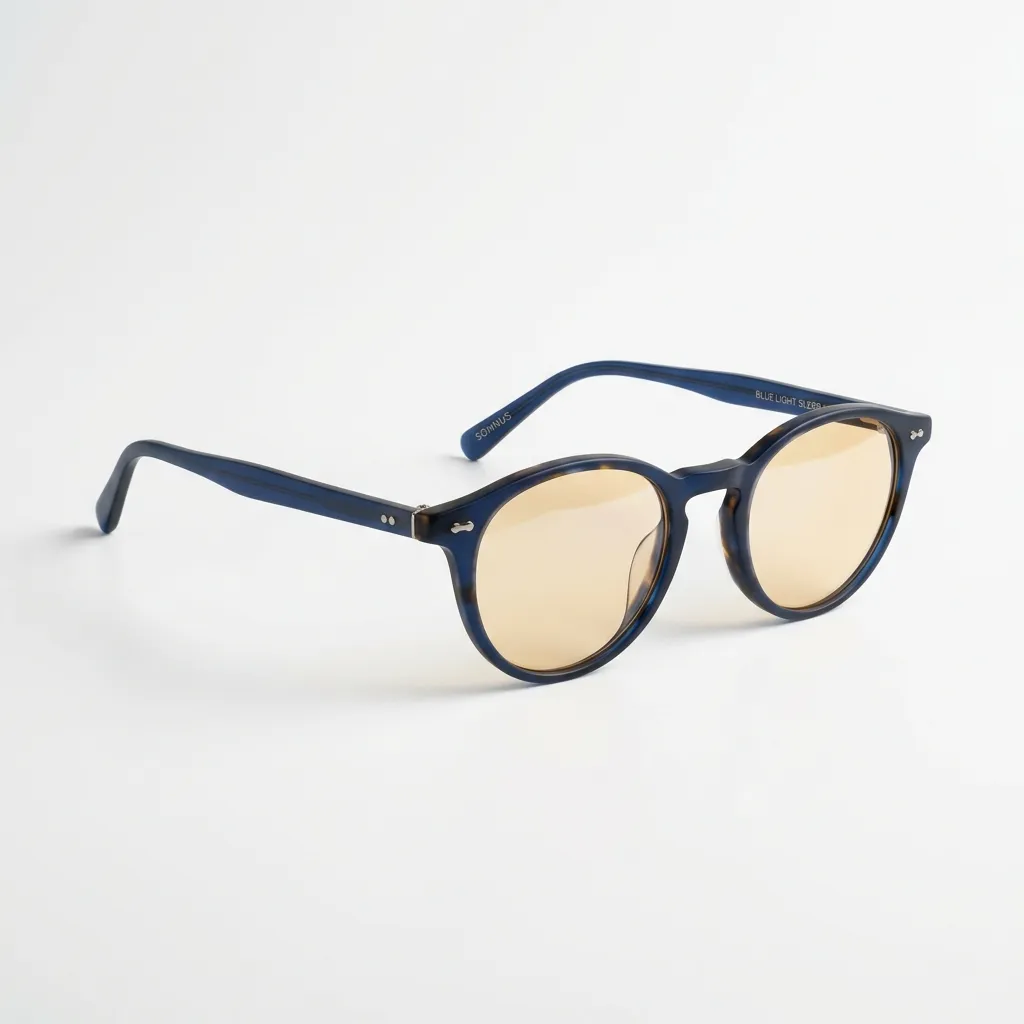
Blue Light Blocking Sleep Glasses
Specialized amber-lens glasses blocking 99% of blue light at night for natural melatonin production.
- Blocks 400-500nm screen light & LEDs
- Enhances deep sleep & REM phases
Deep Sleep (Slow-Wave Sleep) as the Vital Driver
Because glymphatic clearance is highly energy-demanding, it is largely quiescent during wakefulness. Upon entering deep NREM (slow-wave) sleep, levels of the neuromodulator noradrenaline drop precipitously. PMID 24136970 PMID 31897424
This reduction in noradrenaline causes the brain's extracellular interstitial space to expand by approximately 60%. The mechanical resistance to fluid flow drops, allowing CSF to sweep through brain tissue. Without sufficient slow-wave sleep, the brain cannot achieve the necessary convective exchange to flush out metabolic debris. PMID 24136970 PMID 31897424
Sleep Deprivation and the Accumulation of Beta-Amyloid and Tau
Chronic glymphatic underactivity due to poor sleep quality leads to the accumulation of toxic metabolic products. The two most critical proteins are beta-amyloid (forming senile plaques) and tau (forming neurofibrillary tangles), both hallmarks of Alzheimer's disease. PMID 29632177 PMID 26077644
Clinical trials (e.g., Shokri-Kojori et al., 2018) show that a single night of sleep deprivation causes measurable accumulations of beta-amyloid in regions like the hippocampus and thalamus. Over time, this failure of nightly clearance creates a vicious cycle, as plaque deposition further disrupts sleep-regulating networks. PMID 29632177 PMID 26077644
Astrocytes, Aquaporin-4, and Glymphatic Convective Flow
Astrocytes are the anatomical orchestrators of glymphatic flow. Their end-feet processes completely ensheathe brain microvessels and express highly polarized water channels called Aquaporin-4 (AQP4). PMID 32335198 PMID 30561329
These channels facilitate the rapid bulk flow of water into the parenchyma. Loss or mislocalization of these channels (common in aging and traumatic brain injury) markedly diminishes glymphatic clearance. Preserving astrocytic health and protecting AQP4 polarity from oxidative stress are critical goals in neuro-longevity. PMID 32335198 PMID 30561329
Practical Protocols to Optimize Glymphatic Function
Maximizing nightly brain clearance requires optimizing both deep sleep architecture and mechanical sleep posture. PMID 26245281 PMID 31897424
1) Sleep on your side: Preclinical data suggests that lateral sleep posture (right or left side) significantly improves glymphatic clearance compared to supine (back) or prone (stomach) positions. 2) Keep the bedroom cool: Low ambient temperature supports core thermoregulation, facilitating deep sleep entry. 3) Avoid alcohol before bed: Alcohol disrupts sleep architecture and suppresses slow-wave sleep. 4) Use sleep supplements: Sleep aids like apigenin, magnesium glycinate/L-threonate, and L-theanine quiet the central nervous system, helping prolong deep sleep phases. PMID 26245281 PMID 31897424
Internal Further Reading
Read also in the same cluster
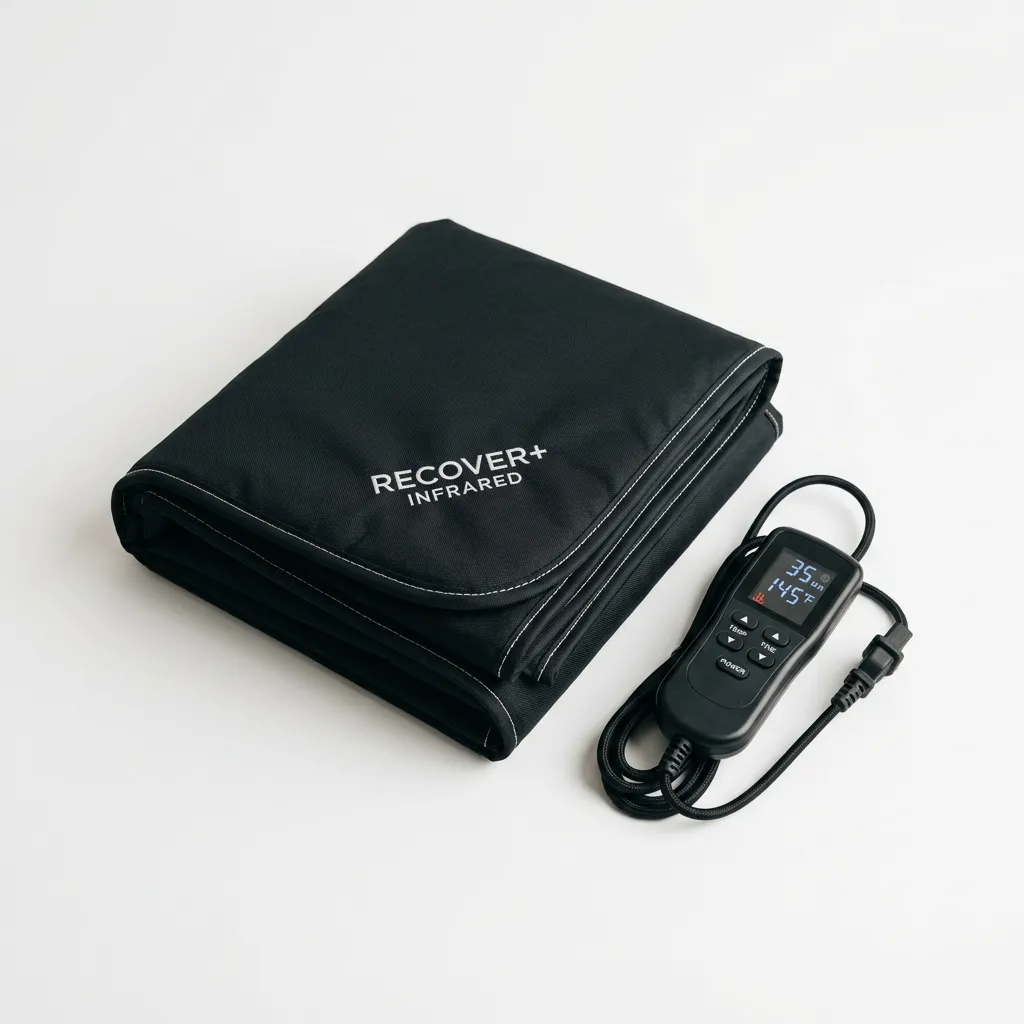
Infrared Sauna Blanket for Home Use
Infrared sauna blanket delivering deep thermal therapy, triggering heat shock proteins (HSP) and circulation.
- Far-infrared deep penetrating heat
- Triggers autophagy response & calorie burn
FAQ
Can the glymphatic system function during a short daytime nap?
Only if the nap is long enough to enter deep slow-wave non-REM sleep, which typically requires 45-60 minutes. Brief 15-20 minute power naps do not activate glymphatic clearance.
How do prescription sleep medications affect glymphatic flow?
Many sedative hypnotics (like benzodiazepines) induce sleep but disrupt sleep architecture, reducing deep slow-wave sleep. They may therefore impair glymphatic clearance despite inducing sedation.
Why does glymphatic clearance decline with age?
Aging is associated with a natural decline in slow-wave sleep, loss of AQP4 channel polarization on astrocytic end-feet, and increased arterial stiffness, which dampens the pulsatile forces that drive CSF convection.
Sources and References
- [1]
- [2]
- [3]
- [4]
Show all 8 sources (4 more)
- [5]
- [6]
- [7]
- [8]
Editorial History
7. august 2026
Første publicering
Første version blev publiceret som del af healthy aging med intro, takeaways, FAQ og referenceblok.
7. august 2026
Faglig gennemgang
Formuleringer, forbehold og interne links blev gennemgået for klarhed, konsistens og YMYL-tydelighed.
7. august 2026
Seneste opdatering
The Glymphatic System and Sleep (2026) fik opdaterede metadata, referenceoutput og forbedret beslutningsnær struktur.

Medical Review
Medical Review and Update Process
This article has been medically reviewed by Vadim Doroshenko with a focus on clinical accuracy, sources, disclaimers, and whether the conclusions still align with current scientific evidence.

Editorial Profile
Borys Viktorovytj Riabtsev
Borys Viktorovytj Riabtsev publishes Longevity Lab as a research-backed information project on precision medicine, metabolic health, and healthy aging, utilizing rigorous sources, independent medical review, and objective YMYL communication.