Key takeaways
- DEXA scanning uses two X-ray beams at different energy levels to precisely differentiate bone mineral from fat and lean tissue.
- T-score compares your bone mineral density to a young, healthy adult reference population of the same sex (30-year-old peak bone mass).
- Osteopenia is defined by a T-score between -1.0 and -2.5, while osteoporosis is diagnosed at a T-score of -2.5 or lower.
- Z-score compares your bone density to age- and sex-matched peers; a Z-score below -2.0 suggests a secondary cause of bone loss.
- The lumbar spine (L1-L4) and femoral neck are the primary measurement sites for evaluating fracture risk.
- Preventing bone loss requires axial weight-bearing exercise, Vitamin D3, K2 MK-7, magnesium, and adequate dietary protein.
Medical disclaimer: Content is for informational purposes and does not replace medical advice.
What is a DEXA Scan and How Does the Technology Work?
DEXA stands for Dual-Energy X-ray Absorptiometry. The scanner emits two low-dose X-ray beams with distinct energy peaks. Because bone tissue absorbs X-rays differently than soft tissues (fat and muscle), the detector calculates precise bone mineral density (BMD) expressed in grams per square centimeter (g/cm²). PMID 31587884 PMID 28343770
The radiation dose from a DEXA scan is exceptionally low — typically under 5 microsieverts (μSv), equivalent to less than a single day of natural background radiation exposure. The procedure is non-invasive, painless, and completed in 5–10 minutes. PMID 31587884 PMID 28343770
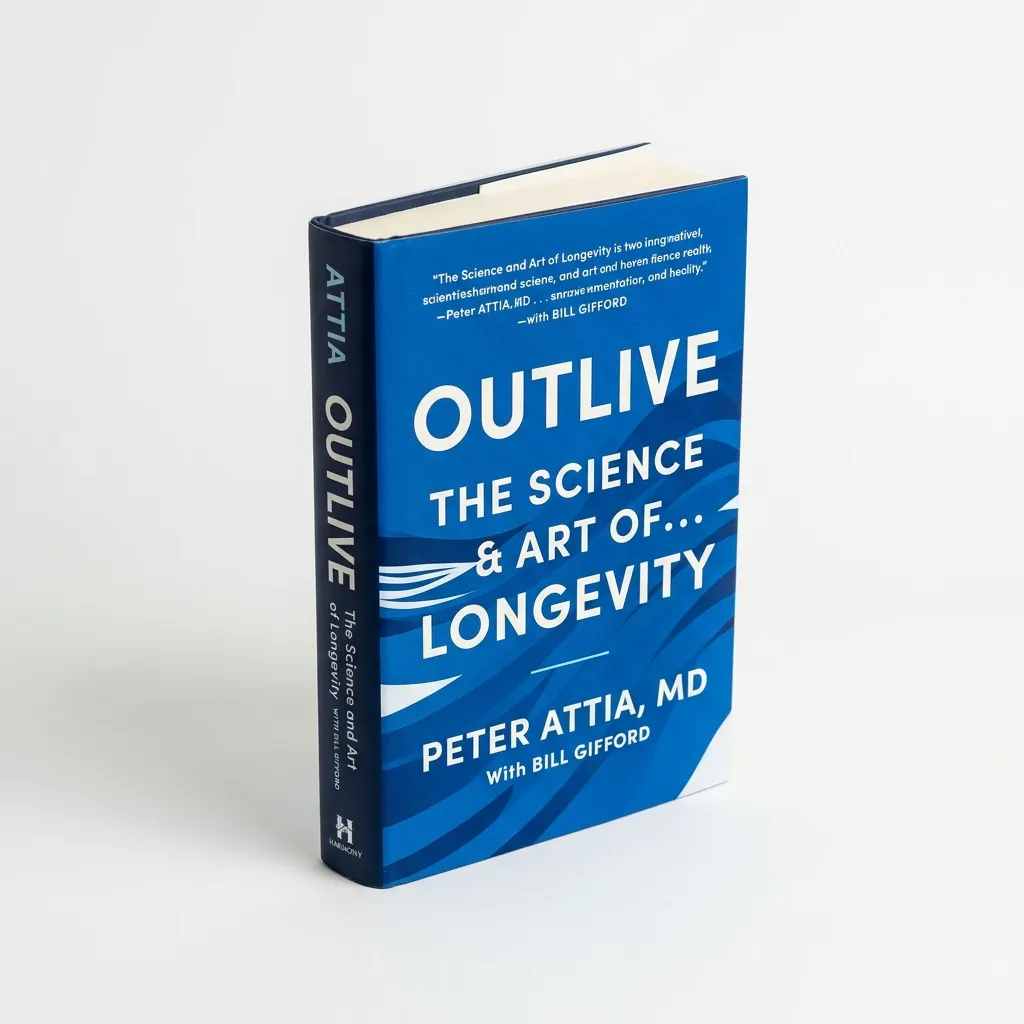
Outlive: The Science & Art of Longevity
Dr. Peter Attia's groundbreaking guide to preventive medicine, exercise for longevity, and healthy aging.
- Scientific framework for Medicine 3.0
- Actionable guide on sleep, exercise & nutrition
T-score Explained: Distinguishing Normal, Osteopenia, and Osteoporosis
The T-score is the primary diagnostic metric for adults and postmenopausal women over age 50. It represents the number of standard deviations (SD) your bone density falls above or below the mean of a healthy 30-year-old reference population of the same sex (peak bone mass). PMID 30327855 PMID 25182228
The World Health Organization (WHO) established clear diagnostic cutoffs: Normal bone density is a T-score of -1.0 or higher; Osteopenia (mildly reduced bone density) is defined as a T-score between -1.0 and -2.5; Osteoporosis is diagnosed at a T-score of -2.5 or lower. For every 1.0 SD drop in T-score, fracture risk approximately doubles. PMID 30327855 PMID 25182228
Z-score Explained: When to Investigate Secondary Causes of Bone Loss
While the T-score compares you to a young adult, the Z-score compares your bone density to age-, sex-, and ethnicity-matched peers. Z-scores are primarily utilized in men under age 50, premenopausal women, and children. PMID 31587884 PMID 28425085
A Z-score of -2.0 or lower is defined as 'below the expected range for age.' An abnormally low Z-score serves as a critical warning sign that bone loss is not merely age-related, but may be driven by secondary conditions such as celiac disease, hyperparathyroidism, Cushing's syndrome, severe Vitamin D deficiency, or chronic corticosteroid therapy. PMID 31587884 PMID 28425085
Measurement Sites: Lumbar Spine (L1-L4), Femoral Neck, and Total Hip
During a DEXA scan, measurements are taken at two key anatomical regions: the lumbar spine (vertebrae L1-L4) and the hip (femoral neck and total hip). The lumbar spine contains abundant trabecular (spongy) bone, which responds rapidly to hormonal shifts and medical treatments. The femoral neck consists primarily of cortical (compact) bone and is the most accurate predictor of future hip fracture risk. PMID 27428800 PMID 15329431
T-scores often vary between the spine and hip. In clinical diagnosis, the lowest T-score among the measured sites dictates the overall diagnostic classification. PMID 27428800 PMID 15329431
Action Plan: How to Protect and Rebuild Bone Mineral Density
Receiving a DEXA report showing osteopenia or osteoporosis is a call to action. Bone is dynamic living tissue continuously remodeled by osteoblasts (bone-building cells) and osteoclasts (bone-resorbing cells). PMID 30327855 PMID 25182228 PMID 28425085
An evidence-based bone preservation strategy includes: 1) Axial weight-bearing resistance training and impact loading (e.g., heavy squats, deadlifts, jumping) to generate piezoelectric signals that stimulate osteoblasts; 2) Therapeutic doses of Vitamin D3 (2000-4000 IU) combined with Vitamin K2 MK-7 (180 mcg) to direct calcium into the bone matrix; 3) Adequate protein (1.2–1.6 g/kg) and magnesium to construct the collagenous bone scaffold. PMID 30327855 PMID 25182228 PMID 28425085
Internal Further Reading
Read also in the same cluster
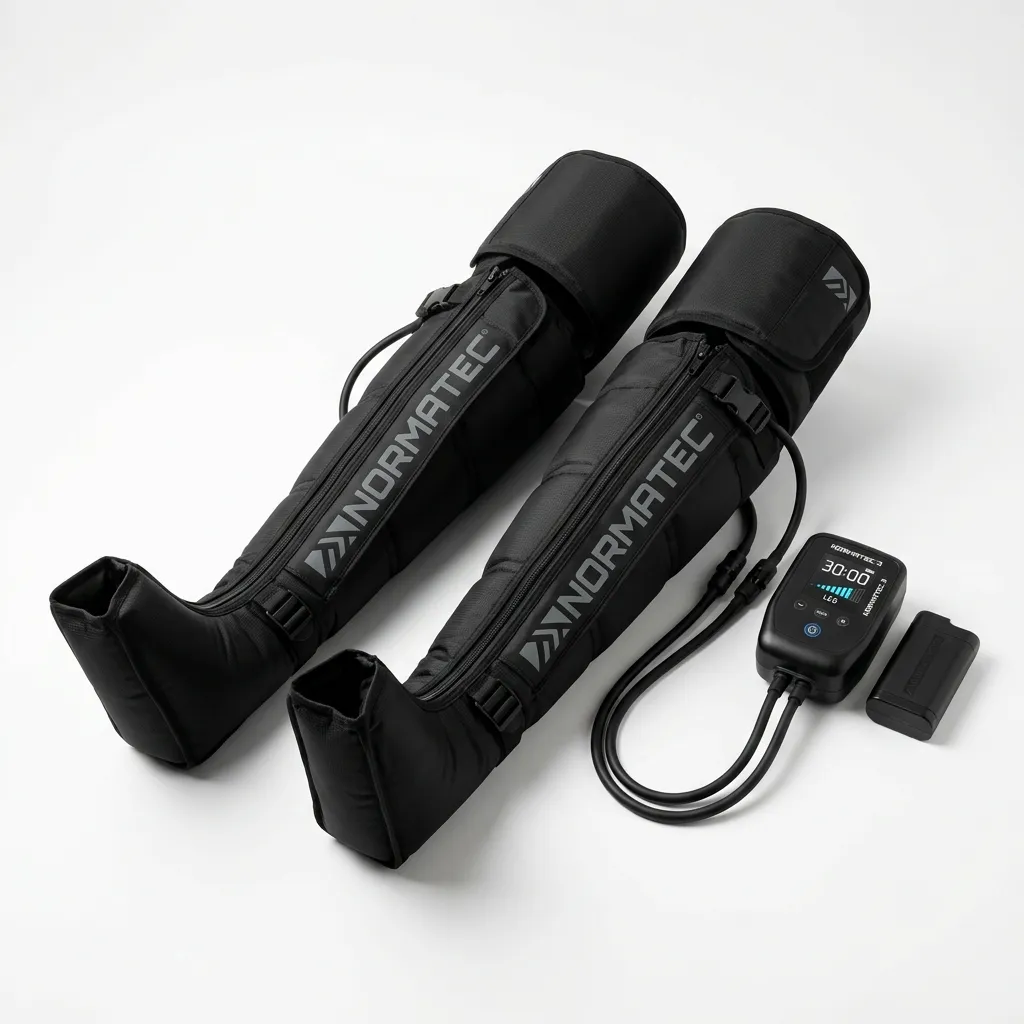
Normatec 3 Legs Compression Boots
Professional pneumatic compression boots promoting lymphatic drainage, lactic acid flushing and leg recovery.
- Patented dynamic zone pulsing compression
- Used by elite athletes & longevity experts
FAQ
What is the difference between a T-score and a Z-score?
A T-score compares your bone density to a healthy 30-year-old adult to diagnose osteoporosis after age 50. A Z-score compares your bone density to peers your own age to detect abnormally rapid bone loss.
How often should you get a DEXA scan?
If you have osteopenia or are undergoing osteoporosis treatment, repeating a DEXA scan every 12 to 24 months is typically recommended to monitor changes in bone mineral density.
Can you improve your T-score naturally?
Yes. Through progressive weight-bearing resistance training paired with optimal intake of Vitamin D3, K2 MK-7, calcium, magnesium, and protein, bone loss can be halted and bone mineral density increased.
Sources and References
- [1]
- [2]
- [3]
- [4]
Show all 8 sources (4 more)
- [5]
- [6]
- [7]
- [8]
Editorial History
5. august 2026
Første publicering
Første version blev publiceret som del af healthy aging med intro, takeaways, FAQ og referenceblok.
5. august 2026
Faglig gennemgang
Formuleringer, forbehold og interne links blev gennemgået for klarhed, konsistens og YMYL-tydelighed.
5. august 2026
Seneste opdatering
Understanding Your DEXA Scan (2026) fik opdaterede metadata, referenceoutput og forbedret beslutningsnær struktur.

Medical Review
Medical Review and Update Process
This article has been medically reviewed by Vadim Doroshenko with a focus on clinical accuracy, sources, disclaimers, and whether the conclusions still align with current scientific evidence.

Editorial Profile
Borys Viktorovytj Riabtsev
Borys Viktorovytj Riabtsev publishes Longevity Lab as a research-backed information project on precision medicine, metabolic health, and healthy aging, utilizing rigorous sources, independent medical review, and objective YMYL communication.