Key takeaways
- Osteoporosis is a silent disease with no symptoms before the first fracture — bone scan (DXA) is the only way to diagnose it early.
- Calcium, vitamin D and K2 work together in bone building — supplementation should be considered after 50, especially for women after menopause.
- Strength training and weight-bearing exercise is the most effective non-medical intervention against bone loss.
- Smoking, alcohol, being underweight and long-term use of adrenal cortex hormones significantly increase the risk.
Medical disclaimer: Content is for informational purposes and does not replace medical advice.
What is osteoporosis and why does it especially strike after 50?
Osteoporosis means porous bones — a condition where the bone tissue loses mineral density and structure, so that the bones become fragile and break easily. Bone tissue is not static: throughout life, bones are broken down and rebuilt in a continuous process called bone remodeling. Up to the age of 30, the build-up exceeds the breakdown, and the bone mass peaks. After 35-40 years, the balance shifts and we slowly lose bone mass — approximately 0.5-1.0% per year. Sundhed.dk PMID 34087174
After menopause, the loss accelerates dramatically in women. Estrogen protects the bones by inhibiting the cells that break down bone tissue, and when estrogen levels drop after menopause, women can lose up to 3-5% bone mass annually in the first 5-7 years. Men also experience age-related bone loss, but it is more gradual as testosterone is converted to estrogen in the body and provides some protection. Sundhed.dk PMID 34087174
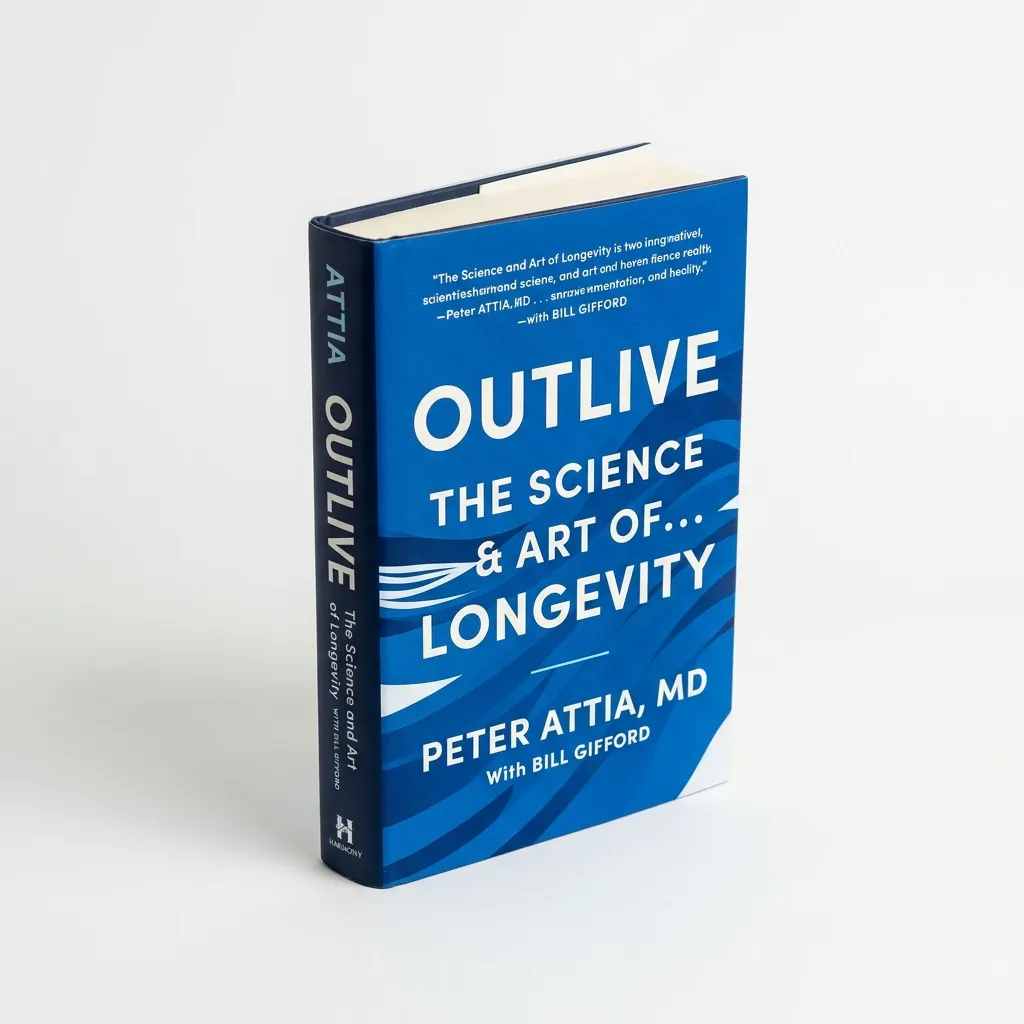
Outlive: The Science & Art of Longevity
Dr. Peter Attia's groundbreaking guide to preventive medicine, exercise for longevity, and healthy aging.
- Scientific framework for Medicine 3.0
- Actionable guide on sleep, exercise & nutrition
Calcium, vitamin D and K2 — the three musketeers for bones
Bone building requires three nutrients that work in precise coordination. Calcium is the building block — approximately 99% of the body's calcium is found in bones and teeth. Danish dietary guidelines recommend 800-1000 mg of calcium daily, corresponding to approximately half a liter of milk plus 100 g of cheese or a portion of fish with bones. Most Danes get enough calcium through dairy products, but people who avoid dairy products should be particularly careful. PMID 34087174 PMID 32654053 PMID 30555048
Vitamin D is needed to absorb calcium from the gut. Without sufficient vitamin D, only 10-15% of calcium is absorbed, with sufficient vitamin D the absorption increases to 30-40%. The Danish Health Authority recommends 5-10 micrograms daily, but for people over 50 at risk of osteoporosis, 20-50 micrograms daily is often recommended. Vitamin K2 — especially the MK-7 form — directs calcium away from blood vessels and into the bones, where it belongs. Without sufficient K2, calcium risks being deposited in the arteries instead of strengthening the bones. PMID 34087174 PMID 32654053 PMID 30555048
| Bone Nutrient | Recommended Daily Intake (50+) | Primary Food Sources | Supplementation Rationale |
|---|---|---|---|
| Calcium | 800–1,000 mg/day | Cultured dairy, small bone-in fish (sardines), dark leafy greens | Prioritize dietary sources; supplement only if dietary baseline is deficient |
| Vitamin D3 | 20–50 µg (800–2,000 IU/day) | Fatty cold-water fish, pasture-raised egg yolks, UV sunlight | Universal recommendation, particularly across northern winter months |
| Vitamin K2 (MK-7) | 90–180 µg/day | Traditional natto, aged hard cheeses, fermented foods | Essential for osteocalcin gamma-carboxylation; directs calcium to bone matrix |
| Magnesium | 300–400 mg/day | Almonds, pumpkin seeds, whole grains, leafy greens | Critical cofactor for alkaline phosphatase and bone mineral crystal formation |
Strength training and weight-bearing exercise — the most effective prevention
Bones adapt to load — this is called Wolff's law. When muscles pull on the bones during strength training and when the skeleton is stressed by weight-bearing activity, the bone cells are stimulated to build more bone tissue. This is the most direct and effective way to prevent bone loss — more effective than any dietary supplement alone. PMID 34087174 PMID 31286358
The best evidence is for strength training with moderate to heavy loads 2-3 times a week. Exercises such as squats, lunges, deadlifts and back exercises stress the spine and hips — the two most common fracture sites. Weight-bearing exercise such as walking, jogging, dancing and stair climbing is also effective. Swimming and cycling are excellent for fitness, but do not stress the bones enough to have an anti-osteoporotic effect. PMID 34087174 PMID 31286358
Risk factors and when you should be screened
The main risk factors for osteoporosis include: early menopause (before age 45), previous low-energy fracture after age 50, family history of osteoporosis or hip fracture, low body weight (BMI below 19), smoking, excessive alcohol consumption, long-term use of adrenal cortex hormone (prednisolone), celiac disease and inflammatory bowel disease. If you have one or more of these risk factors, you should talk to your doctor about a DXA scan. Sundhed.dk PMID 34087174 PMID 32152553
A dual-energy x-ray absorptiometry (DXA) scan measures bone mineral density in the spine and hip and provides a T-score that compares your bone density to that of a young, healthy adult. A T-score between -1 and -2.5 indicates osteopenia (slightly reduced bone density), while a T-score below -2.5 is diagnostic of osteoporosis. If you have already had a low-energy fracture, the diagnosis is made clinically regardless of the T-score. Sundhed.dk PMID 34087174 PMID 32152553
Medical treatment — what is available and when is it relevant?
For people with diagnosed osteoporosis or previous low-energy fractures, there are effective medical treatments that can reduce the risk of new fractures by 40-70%. The first choice is often bisphosphonates such as alendronate, which inhibit the bone-degrading cells. The medicine is typically taken as a weekly tablet and has a documented effect on reducing both vertebral and hip fractures. The treatment is given as a course of 3-5 years, after which the effect is evaluated. Sundhed.dk PMID 34087174
For people at very high risk or failure to respond to bisphosphonates, there are newer treatments such as denosumab and teriparatide that work through different mechanisms. Denosumab is an injection every 6 months and is particularly relevant in kidney failure. Teriparatide stimulates bone building rather than inhibiting breakdown and is reserved for the most severe cases. Common to all medical treatments is that they should be combined with sufficient calcium, vitamin D and preferably strength training for optimal effect. Sundhed.dk PMID 34087174
Internal Further Reading
Read also in the same cluster
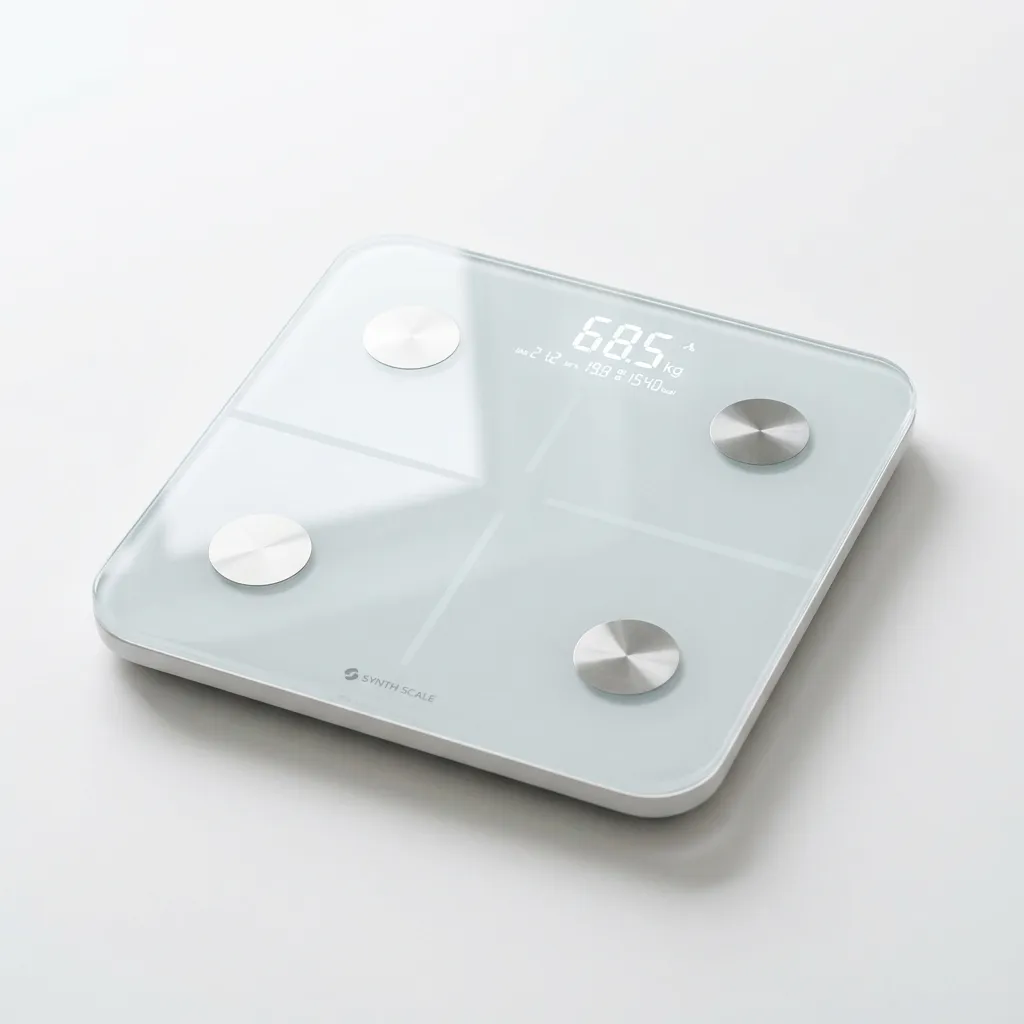
Smart Body Composition Scale
Advanced bioimpedance scale tracking muscle mass, body fat percentage, bone density and hydration.
- Tracks muscle mass & visceral fat
- Wireless sync with health apps
FAQ
When should I have a bone scan?
Women over 65 and men over 70 should consider screening. Earlier screening is recommended for risk factors such as early menopause, previous fracture or long-term adrenal cortex hormone treatment.
Can bones be rebuilt after an osteoporosis diagnosis?
Yes, but it requires a combination of medical treatment, optimal nutrition and strength training. Bone mass can be increased by 5-10% over 2-3 years with the right treatment.
Should I take calcium tablets?
Only if you don't get enough through the diet. Most Danes get plenty of calcium from dairy products. Excess calcium from supplements can increase the risk of kidney stones.
How much vitamin D should I take?
The Danish Health Authority recommends 5-10 µg daily, but if there is a risk of osteoporosis, 20-50 µg daily is recommended. Get your vitamin D level measured to find your optimal dose.
Sources and References
- [1]
- [2]
- [3]
- [4]
Show all 6 sources (2 more)
- [5]
- [6]
Editorial History
27. June 2026
First publication
Initial version was published as part of the healthy aging with introduction, takeaways, FAQ, and reference block.
27. June 2026
Medical review
Phrasing, caveats, and internal links were reviewed for clarity, consistency, and YMYL alignment.
27. June 2026
Latest update
Osteoporosis — prevent osteoporosis with diet, vitamin D, K2 and strength training received updated metadata, reference outputs, and improved decision-support structure.

Medical Review
Medical Review and Update Process
This article has been medically reviewed by Vadim Doroshenko with a focus on clinical accuracy, sources, disclaimers, and whether the conclusions still align with current scientific evidence.

Editorial Profile
Borys Viktorovytj Riabtsev
Borys Viktorovytj Riabtsev publishes Longevity Lab as a research-backed information project on precision medicine, metabolic health, and healthy aging, utilizing rigorous sources, independent medical review, and objective YMYL communication.