Key takeaways
- Estrogen is far more than a fertility hormone — it protects bones, brain, blood vessels and metabolism throughout much of life.
- Menopause is not a single event, but a three-phase process in which symptoms and risks change over time.
- Hormone replacement therapy (HRT) can reduce bone loss and vasomotor symptoms, but timing, dose and individual risk profile are critical to the balance of benefits and risks.
- Non-hormonal strategies — strength training, diet, phytoestrogens, and bone-specific supplements — can help, but do not replace medical evaluation for significant symptoms or high risk.
Medical disclaimer: Content is for informational purposes and does not replace medical advice.
Estrogen's role in the body — beyond reproduction
Estrogen exists in three main forms: estradiol (the most potent, dominant before menopause), estrone (the most important after menopause) and estriol (primarily during pregnancy). Estrogen receptors are found in almost all tissues—bones, brain, blood vessels, liver, skin, muscle, and adipose tissue. It is therefore the decline after menopause that affects so many systems simultaneously. National Institute on Aging PMID 36342718 PMID 33760911
In the bones, estrogen acts as a brake on osteoclast activity — the cells that break down bone tissue. When estrogen declines, bone loss increases significantly, especially in the first 5-7 years after menopause. It is during this period that women can lose up to 20% of their bone mass. In the brain, estrogen affects both neurotransmitter balance (especially serotonin and dopamine), cerebral blood flow and synaptic plasticity — mechanisms relevant to both mood and cognition. In the cardiovascular system, estrogen contributes to keeping the blood vessels flexible via increased nitric oxide production and favorably affects the lipid profile. Finally, estrogen plays a role in glucose metabolism and fat distribution, which explains why many women experience changes in body composition after menopause — particularly a shift toward more abdominal fat. National Institute on Aging PMID 36342718 PMID 33760911
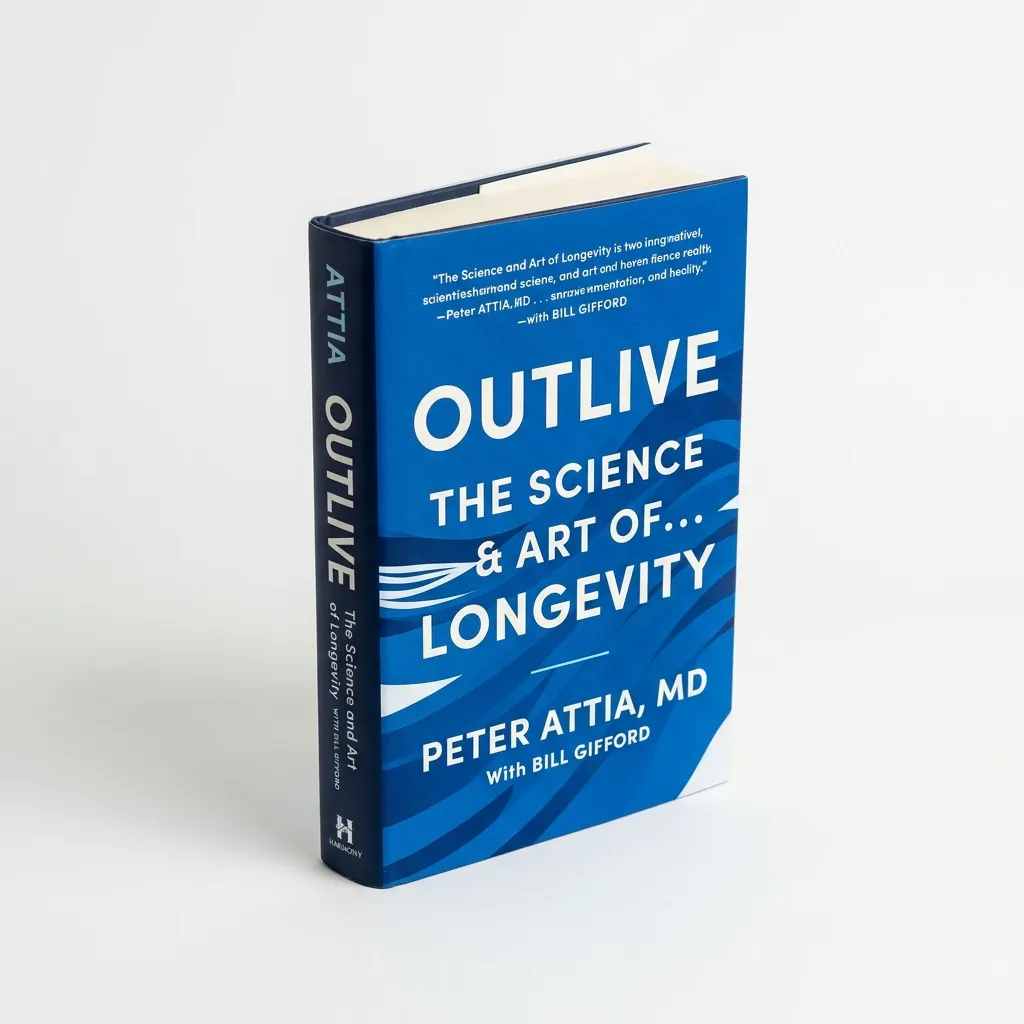
Outlive: The Science & Art of Longevity
Dr. Peter Attia's groundbreaking guide to preventive medicine, exercise for longevity, and healthy aging.
- Scientific framework for Medicine 3.0
- Actionable guide on sleep, exercise & nutrition
The three phases of menopause — what happens when?
Menopause is a gradual process, not a single event. Perimenopause typically starts in the mid-40s and can last 4-8 years. In this phase, the ovaries begin to produce less estrogen and progesterone and the cycle becomes irregular. FSH levels rise because the brain tries to compensate by signaling more strongly to the ovaries. Symptoms can start here: hot flushes, sleep problems, mood swings and altered fat distribution. National Institute on Aging PMID 36342718 PMID 35894661
Menopause itself is defined retrospectively as the time of the last menstrual period — confirmed after 12 months without bleeding. The average age for menopause in Denmark is 51-52 years. This is followed by postmenopause, which lasts for the rest of life. In postmenopause, estradiol levels are very low (typically below 30 pg/mL), and estrone from adipose tissue and adrenal glands becomes the primary source of estrogen. It is in postmenopause that the long-term health risks — osteoporosis, cardiovascular disease and cognitive decline — become most clinically relevant. National Institute on Aging PMID 36342718 PMID 35894661
| Menopausal Transition Phase | Typical Age Range | Circulating Estrogen Dynamics | Clinical Manifestations & Risks |
|---|---|---|---|
| Perimenopause | 42–52 years | Erratic, fluctuating estradiol with declining progesterone | Cycle irregularities, vasomotor hot flashes, sleep fragmentation, mood volatility |
| Menopause (Transition Point) | Typically 51–52 years | Profound permanent drop in serum estradiol (< 40 pmol/L) | Final menstrual period; acceleration of bone mineral resorption and vascular stiffness |
| Postmenopause | 52+ years | Chronically low, stable baseline; estrone (E1) becomes dominant | Elevated osteoporotic fracture risk, atherogenic lipid shifts, urogenital atrophy |
The major health risks after menopause
Osteoporosis is one of the most well-documented consequences of the drop in estrogen. After menopause, bone loss accelerates because the balance between bone breakdown (osteoclast activity) and bone building (osteoblast activity) shifts dramatically. Without the braking effect of estrogen, women can lose 2-5% of bone mass annually in the first postmenopausal years. This increases the risk of fractures — particularly hip fractures, vertebral compressions and wrist fractures — which have serious consequences for mobility, quality of life and survival in old age. National Institute on Aging PMID 36342718 PMID 33760911 PMID 34730128
The cardiovascular risk also increases significantly after menopause. Before menopause, women have a lower risk of cardiovascular disease than men of the same age, in part because of estrogen's protective effect on blood vessels. After menopause, this difference is gradually compensated. Estrogen favorably affects the lipid profile (higher HDL, lower LDL) and contributes to vascular flexibility via nitric oxide. When estrogen declines, an increase in LDL cholesterol, a change toward smaller, more atherogenic LDL particles, and increased inflammation in the vessel wall is often seen. Finally, there is increasing evidence that estrogen plays a role in cognitive health. Women have a higher risk of Alzheimer's disease than men, and the timing of estrogen loss appears to be relevant. The brain's glucose metabolism changes after menopause, and some studies indicate that early menopause (before age 45) is associated with an increased risk of dementia. National Institute on Aging PMID 36342718 PMID 33760911 PMID 34730128
HRT in 2026 — benefits, risks and the current consensus
Hormone replacement therapy (HRT) has been the subject of intense debate since the 2002 Women's Health Initiative (WHI) study, which reported increased risk of breast cancer and cardiovascular events. Subsequent analyzes have nuanced the picture considerably. The current consensus in 2026 is that HRT can be a safe and effective treatment for moderate to severe menopausal symptoms when started within 10 years of menopause and before the age of 60 — the so-called 'timing hypothesis' window. PMID 36342718 PMID 35894661 PMID 34730128 PMID 34009687
The benefits of HRT include significant reduction of hot flashes and night sweats (80-90% symptom reduction), prevention of bone loss and reduction of fracture risk by 30-50%, and possible protection against cardiovascular disease when treatment is started early. The risks include a small increased risk of breast cancer with combined estrogen-progestagen treatment over 5 years, a small increased risk of venous thromboembolism (especially with oral preparations), and a possible small increased risk of stroke. Transdermal estrogen (patch or gel) has a better safety profile than oral preparations because it avoids first-pass metabolism in the liver and thus reduces the risk of thromboembolism. For women with an intact uterus, estrogen must always be combined with progestin to protect against endometrial hyperplasia and endometrial cancer. The decision about HRT should always be individual and take into account age, time since menopause, symptom burden, personal and familial risk profile and patient preferences. PMID 36342718 PMID 35894661 PMID 34730128 PMID 34009687
Non-hormonal strategies — what actually works?
For women unable or unwilling to use HRT, there are a number of non-hormonal strategies with varying evidence. Strength training is perhaps the most underutilized intervention. Progressive strength training 2-3 times per week stimulates bone building through mechanical loading, increases muscle mass (which protects joints and improves metabolic health), and improves balance — reducing fall risk. Weight-bearing activity such as walking, running and jumping also has a documented effect on bone density. National Institute on Aging PMID 33760911 PMID 35894661 PMID 34730128
Phytoestrogens — plant-based compounds with weak estrogen-like activity — are found in soy products (isoflavones such as genistein and daidzein), flaxseed (lignans) and red clover. The evidence for symptom relief is moderate: some studies show a 25-50% reduction in hot flashes when consuming 50-100 mg of soy isoflavones daily, while others find little or no effect. The effect probably varies with the ability of the intestinal flora to convert isoflavones to their active metabolites (equol). Dietary adequate calcium (1000-1200 mg daily) and vitamin D (at least 20 micrograms daily, with serum levels above 75 nmol/L) are fundamental for bone health. Magnesium, vitamin K2 and adequate protein (1.2-1.5 g/kg body weight) also support bone and muscle preservation. Finally, mindfulness-based stress reduction and cognitive behavioral therapy have shown moderate effects on hot flashes and sleep quality, probably by affecting the sympathetic nervous system's regulation of vasomotor symptoms. National Institute on Aging PMID 33760911 PMID 35894661 PMID 34730128
Bone health after menopause — what should you measure and when?
A DXA scan (dual-energy X-ray absorptiometry) is the gold standard for measuring bone density. The Danish Health Authority recommends DXA scanning for women at increased risk of osteoporosis — including early menopause (before age 45), familial predisposition, previous low-energy fracture, long-term use of corticosteroids, smoking, low body weight (BMI below 19) or diseases that affect bone metabolism. The T-score from the DXA scan classifies bone density: above -1.0 is normal, between -1.0 and -2.5 is osteopenia (a precursor to osteoporosis), and below -2.5 is osteoporosis. PMID 33760911 PMID 34730128 PMID 34009687
In addition to bone density, it is important to monitor markers for bone turnover in blood samples: calcium, phosphate, alkaline phosphatase, vitamin D (25-OH), PTH and possibly bone markers such as CTX and P1NP. These can indicate whether bone breakdown is accelerated and whether treatment (HRT, bisphosphonates or other osteoporosis drugs) is having an effect. The practical approach for postmenopausal women should include a baseline DXA scan at age 50-55 if risk factors are present, and then follow-up every two to five years depending on the result and risk profile. The combination of bone density measurement, blood tests and functional measures (grip strength, walking speed, balance) provides the most complete picture of skeletal and fall risk. PMID 33760911 PMID 34730128 PMID 34009687
Conclusion: A holistic approach after menopause
Menopause is a biological transition that affects the whole body — not just reproduction. Understanding the broad physiological role of estrogen helps put symptoms, risks, and treatment options into context. HRT can be an effective and safe solution for many women when given in the right window and in the right form, but it is not the only strategy. National Institute on Aging PMID 36342718 PMID 35894661 PMID 34009687
The most robust approach in 2026 is holistic: strength training to preserve bones and muscles, adequate nutrition with a focus on calcium, vitamin D and protein, individual assessment of HRT needs, regular monitoring of bone density and cardiovascular risk factors, as well as open dialogue with your doctor about symptoms and concerns. No single intervention solves everything, but the combination of the right strategies can make a significant difference to health and quality of life in the decades after menopause. National Institute on Aging PMID 36342718 PMID 35894661 PMID 34009687
Internal Further Reading
Read also in the same cluster
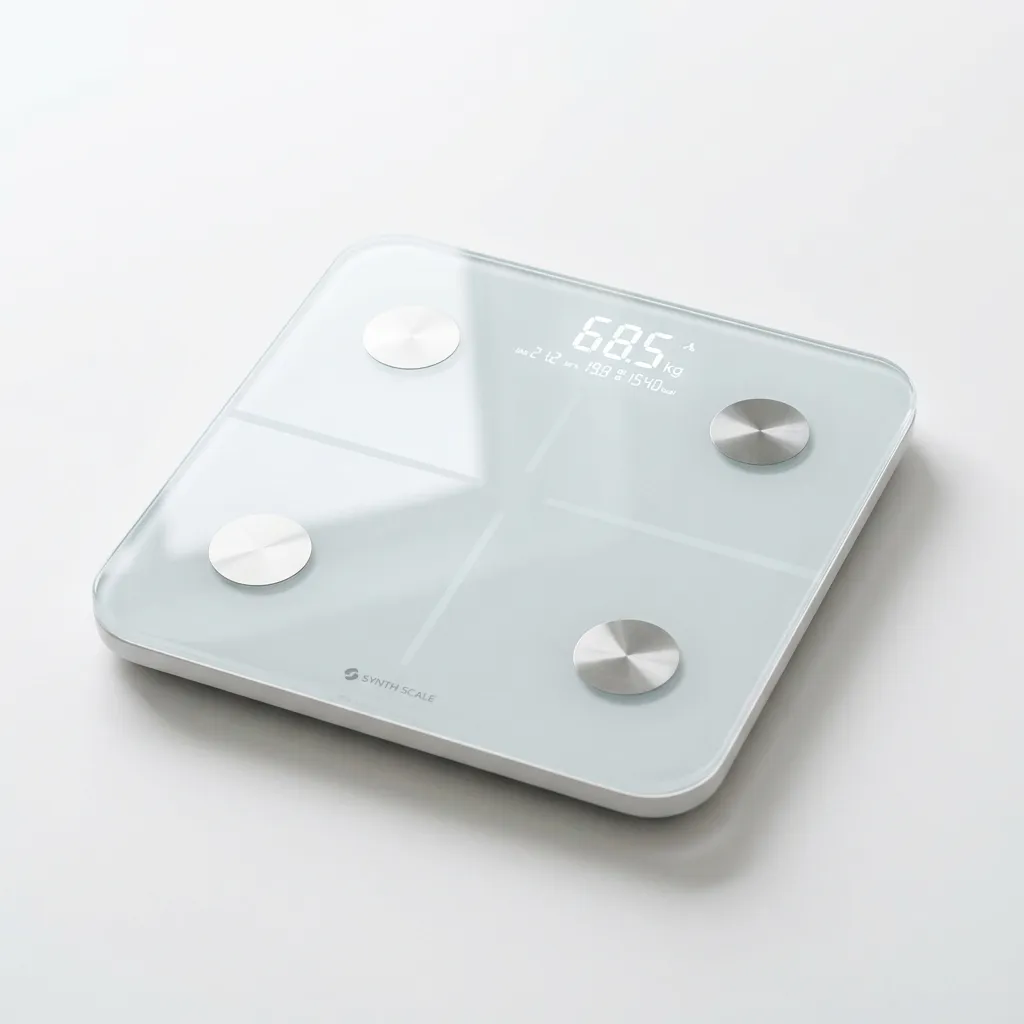
Smart Body Composition Scale
Advanced bioimpedance scale tracking muscle mass, body fat percentage, bone density and hydration.
- Tracks muscle mass & visceral fat
- Wireless sync with health apps
FAQ
When should I consider HRT?
HRT should be considered for moderate to severe menopausal symptoms (hot flashes, night sweats, sleep problems) that affect quality of life. The treatment is most effective and safest when it is started within 10 years after menopause and before the age of 60.
Can I prevent osteoporosis without medication?
Yes, in many cases. Strength training, weight-bearing activity, sufficient calcium (1000-1200 mg), vitamin D (20-50 micrograms) and protein intake (1.2-1.5 g/kg) are fundamental. In the case of osteopenia or high risk, the doctor can assess the need for medical treatment.
Do soy and phytoestrogens work against hot flashes?
The evidence is moderate and varies between individuals. Approximately 50-100 mg of soy isoflavones daily can reduce hot flashes by 25-50% in some women, but the effect depends, among other things, on the ability of the intestinal flora to convert isoflavones into their active form (equol).
How do I know if I have osteopenia or osteoporosis?
A DXA scan measures bone density and gives a T-score. Values between -1.0 and -2.5 indicate osteopenia. Values below -2.5 indicate osteoporosis. Talk to your doctor about whether you are in the risk group and should be referred for a scan.
Sources and References
- [1]
- [2]
- [3]
- [4]
Show all 6 sources (2 more)
- [5]
- [6]
Editorial History
5. July 2026
First publication
Initial version was published as part of the healthy aging with introduction, takeaways, FAQ, and reference block.
5. July 2026
Medical review
Phrasing, caveats, and internal links were reviewed for clarity, consistency, and YMYL alignment.
5. July 2026
Latest update
Estrogen and aging — what does the decline after menopause mean for your body and health received updated metadata, reference outputs, and improved decision-support structure.

Medical Review
Medical Review and Update Process
This article has been medically reviewed by Vadim Doroshenko with a focus on clinical accuracy, sources, disclaimers, and whether the conclusions still align with current scientific evidence.

Editorial Profile
Borys Viktorovytj Riabtsev
Borys Viktorovytj Riabtsev publishes Longevity Lab as a research-backed information project on precision medicine, metabolic health, and healthy aging, utilizing rigorous sources, independent medical review, and objective YMYL communication.