Key takeaways
- Hyaluronic acid is the primary viscoelastic agent in synovial fluid, lubricating joints and protecting against osteoarthritis.
- Radioisotope tracking confirms that oral hyaluronic acid is absorbed in the gut and distributed to skin and joint tissues.
- Clinical double-blind trials demonstrate that 120-200 mg oral hyaluronic acid daily reduces knee pain in mild-to-moderate osteoarthritis.
- Dermatological trials confirm improved skin hydration, elasticity, and wrinkle reduction after 8-12 weeks of oral HA supplementation.
- High-molecular-weight hyaluronic acid (HMW-HA) exerts potent anti-inflammatory effects within joint capsules.
- Combining oral hyaluronic acid with hydrolysed collagen peptides and Vitamin C creates a powerful synergy for skin and joint healthspan.
Medical disclaimer: Content is for informational purposes and does not replace medical advice.
What is Hyaluronic Acid and What Role Does It Play in the Body?
Hyaluronic acid (HA) is an unbranched glycosaminoglycan composed of repeating disaccharide units of D-glucuronic acid and N-acetylglucosamine. Unlike other GAGs, hyaluronic acid is non-sulfated and does not bind to a core protein. PMID 26797802 PMID 30287361
In the human body, HA functions as a biological lubricant and shock-absorbing cushion. Within joint capsules, HA imparts viscous, syrup-like viscosity to synovial fluid, preventing bone-on-bone friction. In skin tissue, over 50% of total body HA resides in the dermis, filling space between collagen and elastin fibers while locking in moisture. PMID 26797802 PMID 30287361
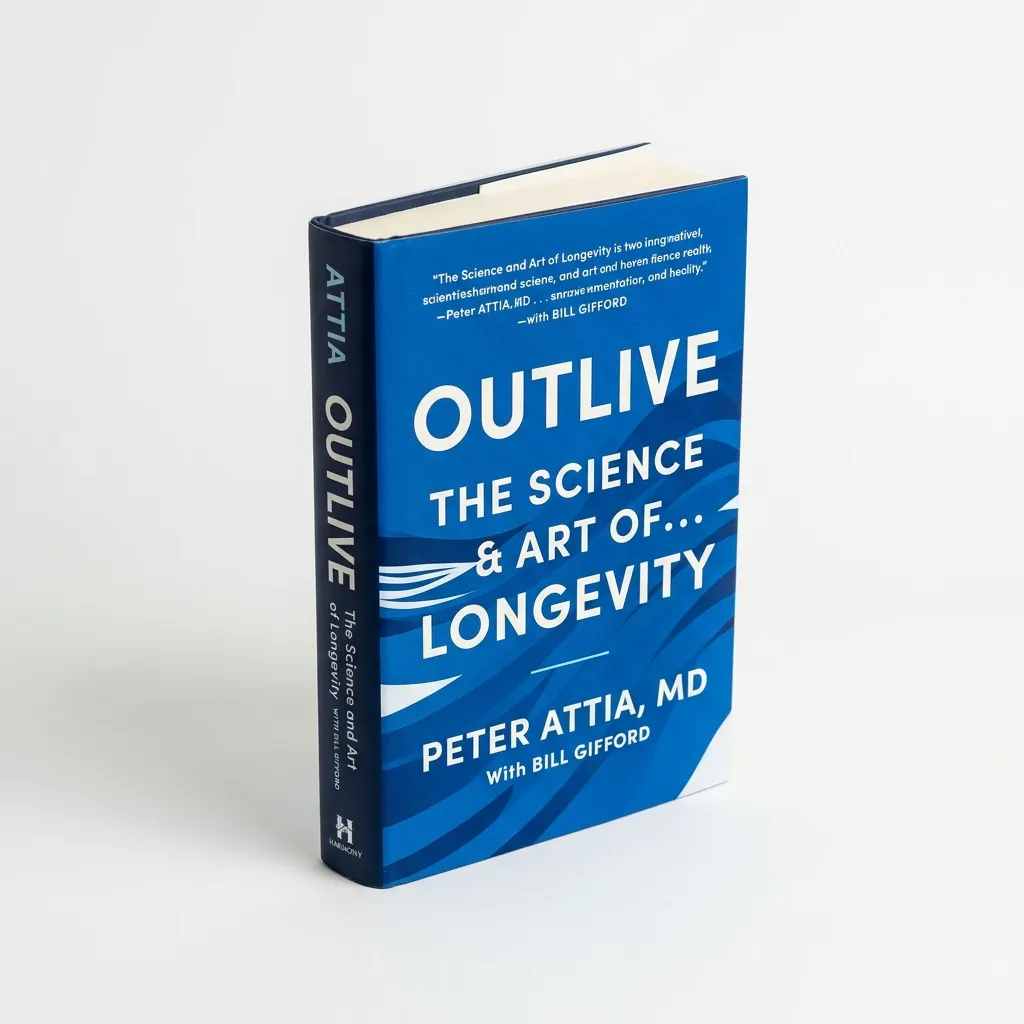
Outlive: The Science & Art of Longevity
Dr. Peter Attia's groundbreaking guide to preventive medicine, exercise for longevity, and healthy aging.
- Scientific framework for Medicine 3.0
- Actionable guide on sleep, exercise & nutrition
Bioavailability: Can Oral Hyaluronic Acid Pills Actually Be Absorbed?
Skeptics historically claimed that hyaluronic acid molecules were too large to cross the intestinal epithelial barrier. However, radio-labeled absorption studies (e.g., Balogh et al.) definitively disproved this misconception. PMID 25014997 PMID 18593176
When ingested orally, a portion of hyaluronic acid is broken down by gut microbiota into lower molecular weight oligosaccharides, absorbed via lymphatic and systemic circulation. These fragments reach skin fibroblasts and joint synoviocytes, serving as direct substrates and signaling triggers for endogenous HA synthesis via HA synthase enzymes. PMID 25014997 PMID 18593176
Clinical Evidence for Joint Health and Osteoarthritis Pain Relief
Randomized, placebo-controlled clinical trials (e.g., Tashiro et al. and Oe et al.) evaluated 120–200 mg daily oral hyaluronic acid in knee osteoarthritis patients over 3 to 12 months. PMID 26797802 PMID 23227018 PMID 25501869
Results demonstrated consistent, statistically significant reductions in JKOM and WOMAC pain scores compared to placebo. Patients experienced reduced morning joint stiffness and improved walking distance. Oral HA suppresses pro-inflammatory cytokines in synovial fluid while protecting chondrocytes from apoptosis. PMID 26797802 PMID 23227018 PMID 25501869
Effects on Skin Hydration, Wrinkle Reduction, and Elasticity
In nutricosmetics, clinical trials (e.g., Göllner et al. and Kawada et al.) evaluated 120 mg daily oral HA in dry, aging skin. After 8 to 12 weeks of treatment, subjects exhibited significant increases in skin moisture content measured via corneometry. PMID 28922030 PMID 34212456 PMID 30287361
Additionally, trials documented significant reductions in wrinkle depth and enhanced skin elasticity. By augmenting water retention in deep dermal layers, fine lines are plumped from within, yielding a firmer, more youthful appearance. PMID 28922030 PMID 34212456 PMID 30287361
Optimal Dosing, Molecular Weight, and Synergy with Collagen
To achieve clinical efficacy, a daily oral dose of 120 to 200 mg of hyaluronic acid is recommended. Evidence suggests that formulations blending high molecular weight (HMW, >1 MDa) and medium molecular weight HA offer optimal joint lubrication alongside intestinal absorption. PMID 26797802 PMID 28922030 PMID 34212456
Hyaluronic acid works in perfect synergy with hydrolysed collagen peptides and Vitamin C. While collagen constructs the structural protein scaffold in skin and cartilage, hyaluronic acid provides the essential water-binding gel that keeps tissue hydrated and resilient. PMID 26797802 PMID 28922030 PMID 34212456
Internal Further Reading
Read also in the same cluster
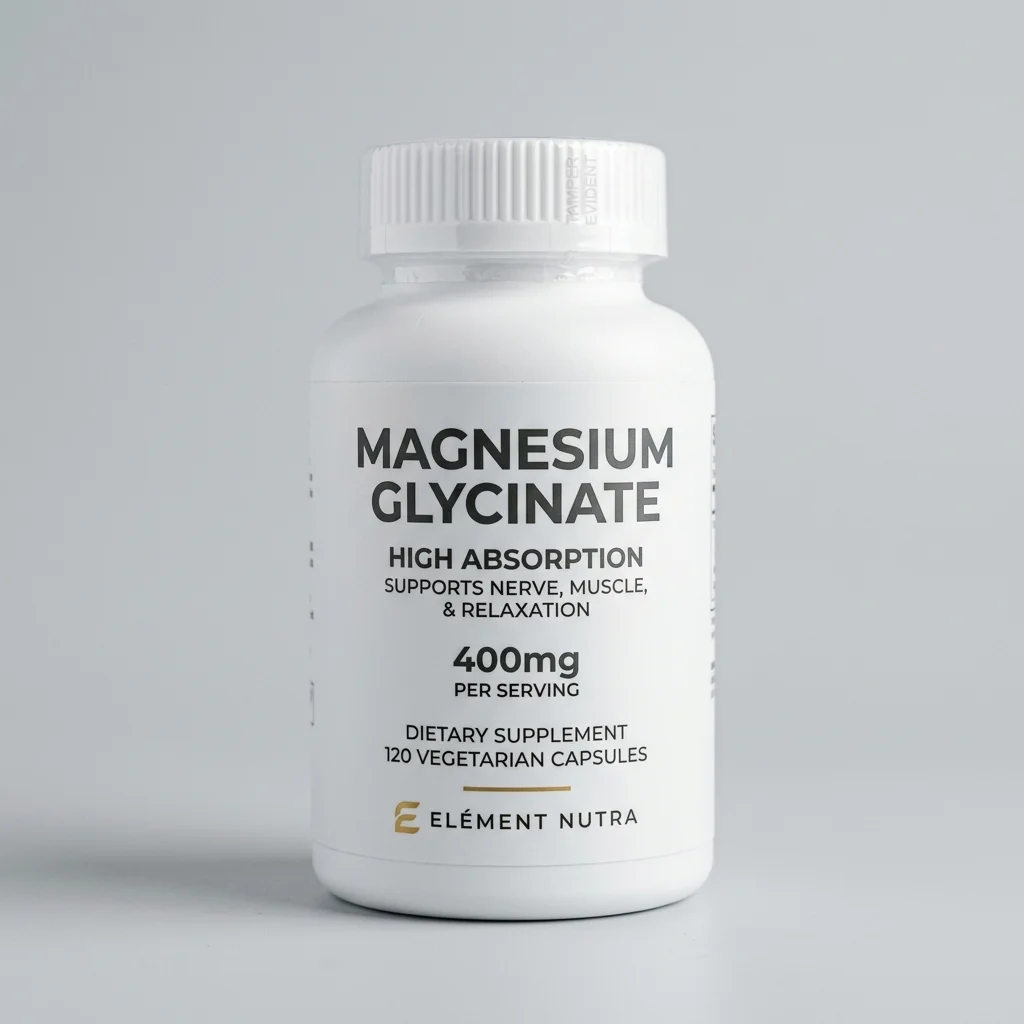
Magnesium Glycinate 400mg Capsules
Highly bioavailable chelated magnesium bound to glycine for maximum sleep and muscle absorption.
- Activates central GABA receptors for deep sleep
- Gentle on the stomach with superior bioavailability
FAQ
Does oral hyaluronic acid work as effectively as topical creams?
Oral HA actually works deeper. Topical creams only hydrate the outer epidermis, whereas oral HA enters systemic circulation to hydrate the deep dermis and joint synovial fluid from within.
What is the recommended daily dose of hyaluronic acid?
Clinical trials recommend a daily dose of 120 mg to 200 mg for noticeable improvements in both joint pain and skin hydration.
Are there any side effects from taking hyaluronic acid?
No, hyaluronic acid is a compound naturally produced by the human body in large quantities. Oral supplements have an excellent safety profile without known serious adverse effects.
Sources and References
- [1]
- [2]
- [3]
- [4]
Show all 8 sources (4 more)
- [5]
- [6]
- [7]
- [8]
Editorial History
5. august 2026
Første publicering
Første version blev publiceret som del af healthy aging med intro, takeaways, FAQ og referenceblok.
5. august 2026
Faglig gennemgang
Formuleringer, forbehold og interne links blev gennemgået for klarhed, konsistens og YMYL-tydelighed.
5. august 2026
Seneste opdatering
Hyaluronic Acid Supplements (2026) fik opdaterede metadata, referenceoutput og forbedret beslutningsnær struktur.

Medical Review
Medical Review and Update Process
This article has been medically reviewed by Vadim Doroshenko with a focus on clinical accuracy, sources, disclaimers, and whether the conclusions still align with current scientific evidence.

Editorial Profile
Borys Viktorovytj Riabtsev
Borys Viktorovytj Riabtsev publishes Longevity Lab as a research-backed information project on precision medicine, metabolic health, and healthy aging, utilizing rigorous sources, independent medical review, and objective YMYL communication.