Key takeaways
- Osteoarthritis is the most common joint disease — it is caused by cartilage breakdown, not inflammation as in rheumatoid arthritis.
- Exercise and weight loss are the most evidence-based non-medical treatments for joint pain — more effective than most supplements.
- Glucosamine and chondroitin have mixed evidence — some studies show effect, others do not. Curcumin has more promising data.
- Chronic joint pain should always be evaluated by a doctor — untreated osteoarthritis can lead to irreversible joint damage and functional loss.
Medical disclaimer: Content is for informational purposes and does not replace medical advice.
Osteoarthritis vs rheumatoid arthritis — what is the difference?
Osteoarthritis and rheumatoid arthritis are two different diseases that are often confused. Osteoarthritis is caused by mechanical breakdown of joint cartilage over time — it is a wear-related condition that particularly affects weight-bearing joints such as knees, hips and spine. The risk increases with age, overweight, previous joint injuries and genetic predisposition. PMID 34087176 PMID 32589996
Rheumatoid arthritis is an autoimmune disease where the immune system attacks the joint lining. It causes symmetrical inflammation in small joints (hands, wrists, feet) and systemic symptoms such as fatigue and fever. Rheumatoid arthritis requires specialized medical treatment to slow disease activity, while osteoarthritis is primarily treated with lifestyle interventions and symptom relief. PMID 34087176 PMID 32589996
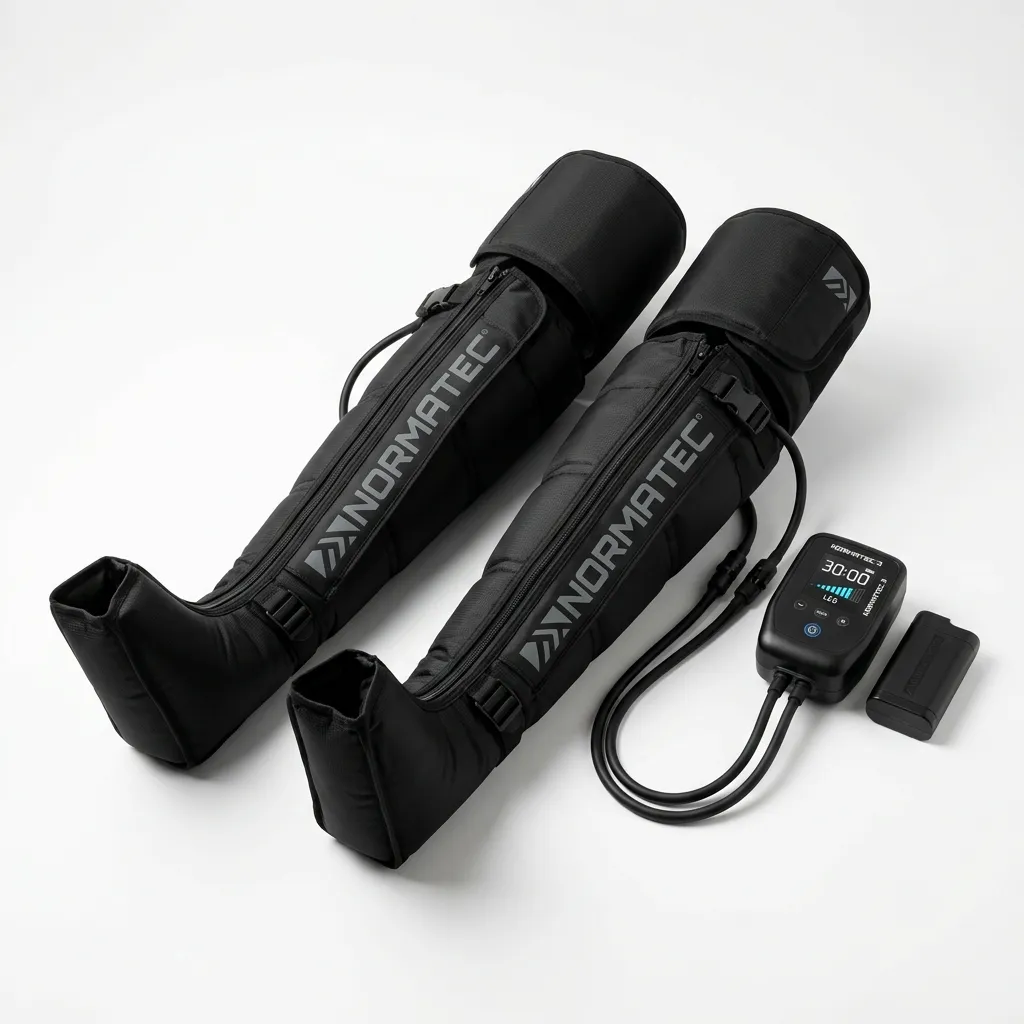
Normatec 3 Legs Compression Boots
Professional pneumatic compression boots promoting lymphatic drainage, lactic acid flushing and leg recovery.
- Patented dynamic zone pulsing compression
- Used by elite athletes & longevity experts
Why do joints hurt more with age?
Aging affects joints through several mechanisms. Cartilage loses water content and elasticity and becomes more brittle and thinner. The production of synovial fluid, which lubricates the joint, decreases. Muscles around the joints weaken, increasing the load directly on joint surfaces. Chronic low-grade inflammation (inflammaging) accelerates cartilage breakdown. PMID 34087176 PMID 34188229
After 50, these processes accelerate, especially in women after menopause, where the estrogen decline reduces cartilage protective mechanisms. In addition, advanced glycation end products (AGEs) accumulate in cartilage and tendons and make the tissue stiffer and more fragile. The result is that the same loads that were previously unproblematic can now cause pain. PMID 34087176 PMID 34188229
Exercise — the best medicine for joint pain
Exercise is paradoxically the most effective treatment for joint pain — many wrongly believe that sore joints should be rested. Correctly performed exercise strengthens the muscles around the joints, improves joint fluid circulation, reduces inflammation and stimulates cartilage repair. Studies show that both strength training and aerobic exercise reduce pain and improve function in people with knee osteoarthritis. PMID 32589996 PMID 31329265
The best forms of exercise for osteoarthritis are: strength training with moderate load (2-3 times weekly with focus on leg and core muscles), low-impact cardio training (swimming, cycling, cross trainer), and mobility training (yoga, tai chi). Avoid high-impact activities such as running on hard surfaces and jumping that unnecessarily load the joints. PMID 32589996 PMID 31329265
- Strength training 2-3 times a week reduces knee pain by 30-40% in clinical trials.
- Swimming and cycling are gentle on the joints and improve both cardiovascular fitness and muscle strength.
- Yoga and tai chi improve balance, flexibility, and reduce the risk of falls.
- Avoid high-impact activities, but do not be afraid to move — inactivity worsens the condition.
Diet and supplements — what has documented effect?
An anti-inflammatory diet with plenty of vegetables, fruit, whole grains, fatty fish and healthy fats can reduce joint pain. Weight loss is the most effective dietary intervention: every kilogram of weight loss reduces knee joint load by 3-4 kg per step. A weight loss of 10 kg can halve the pain in knee osteoarthritis. PMID 34188229 PMID 32696446 PMID 32160087
Supplements generally have weaker evidence than diet and exercise. Glucosamine and chondroitin are the most popular, but studies show mixed results with a tendency for little or no effect in the largest and best studies. Curcumin has more promising data with moderate pain-relieving effect comparable to ibuprofen in some studies, but with fewer side effects. Omega-3 fatty acids have a weak anti-inflammatory effect in rheumatoid arthritis, but limited documentation in osteoarthritis. PMID 34188229 PMID 32696446 PMID 32160087
| Supplement | Evidence Strength | Typical Dose |
|---|---|---|
| Curcumin | Moderate — pain-relieving effect | 500-1000 mg daily with black pepper |
| Glucosamine | Weak — mixed results | 1500 mg daily |
| Chondroitin | Weak — possibly slight effect | 800-1200 mg daily |
| Omega-3 | Weak for osteoarthritis, moderate for rheumatoid arthritis | 1-3 g EPA+DHA daily |
Conclusion — a holistic approach to joint pain
Joint pain after 50 is not an inevitable fate, but a complex interplay between mechanical wear, inflammation, muscle strength, and lifestyle. The best strategy is rarely a single supplement or a miracle cure, but a combination of targeted exercise, weight control, an anti-inflammatory diet, and relevant medical follow-up. The most solid data indicate that strength training and weight loss are the two most effective non-medical interventions to reduce pain and improve function in osteoarthritis. PMID 34087176 PMID 34188229
At the same time, it is crucial to distinguish between osteoarthritis and rheumatoid arthritis, as the treatment strategies are fundamentally different. For persistent pain, swelling, or loss of function, you should always consult a doctor for proper diagnosis and an individual treatment plan. The evidence for supplements is generally weaker than for lifestyle interventions, but curcumin has the most promising data among natural preparations for joint pain. PMID 34087176 PMID 34188229
Finally, it is important to emphasize that prevention starts early. Regular exercise throughout life, maintaining a healthy weight, adequate protein intake, and avoiding smoking are the most effective strategies to protect joints from age-related degradation. Even after 50, these measures can still have a significant positive effect and are often more effective than any pill or powder. PMID 34087176 PMID 34188229
Internal Further Reading
Read also in the same cluster
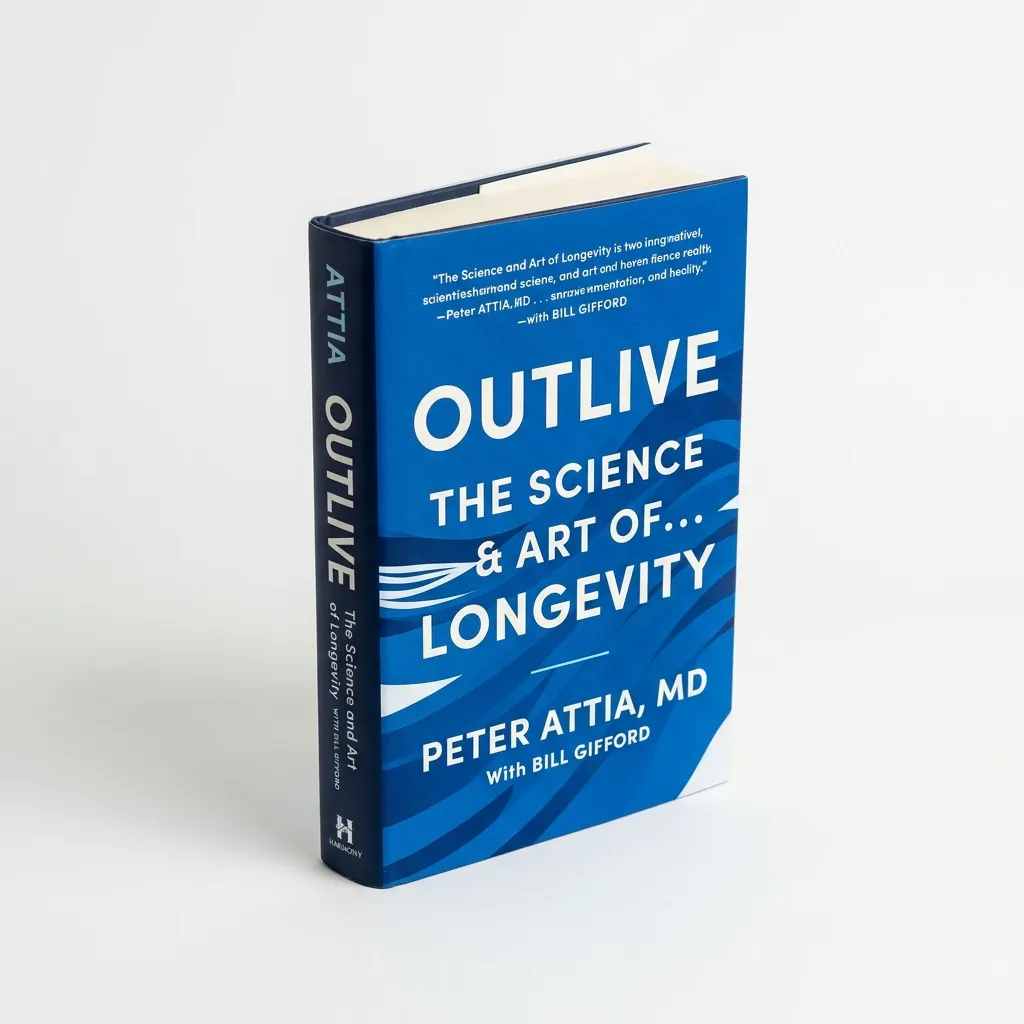
Outlive: The Science & Art of Longevity
Dr. Peter Attia's groundbreaking guide to preventive medicine, exercise for longevity, and healthy aging.
- Scientific framework for Medicine 3.0
- Actionable guide on sleep, exercise & nutrition
FAQ
Is it dangerous to exercise with osteoarthritis?
No, on the contrary. Properly dosed exercise is the best treatment. Start gently, listen to your body, and avoid activities that trigger sharp pain.
Can osteoarthritis be cured?
No, the underlying cartilage breakdown cannot be completely reversed. But pain can be significantly reduced, and function can be improved through lifestyle changes.
When should I see a doctor?
For persistent joint pain lasting more than 2-3 weeks, swelling, redness or warmth in the joint, or if the pain limits your daily activities.
Does heat or cold help joint pain?
Cold helps with acute inflammation and swelling. Heat helps with chronic stiffness and muscle tension. Both have some symptom-relieving effect.
Sources and References
- [1]
- [2]
- [3]
- [4]
Show all 6 sources (2 more)
- [5]
- [6]
Editorial History
9. July 2026
First publication
Initial version was published as part of the healthy aging with introduction, takeaways, FAQ, and reference block.
9. July 2026
Medical review
Phrasing, caveats, and internal links were reviewed for clarity, consistency, and YMYL alignment.
9. July 2026
Latest update
Joint pain and aging — what works for arthritis and osteoarthritis after 50 received updated metadata, reference outputs, and improved decision-support structure.

Medical Review
Medical Review and Update Process
This article has been medically reviewed by Vadim Doroshenko with a focus on clinical accuracy, sources, disclaimers, and whether the conclusions still align with current scientific evidence.

Editorial Profile
Borys Viktorovytj Riabtsev
Borys Viktorovytj Riabtsev publishes Longevity Lab as a research-backed information project on precision medicine, metabolic health, and healthy aging, utilizing rigorous sources, independent medical review, and objective YMYL communication.