Key takeaways
- Medical TRT requires a clear clinical diagnosis based on repeated fasting morning blood tests (08:00-10:00 AM) and symptoms.
- Total testosterone can be misleading when SHBG is elevated; measuring free bioavailable testosterone is essential.
- In Denmark, TRT is typically prescribed as daily transdermal gel or long-acting injections (Nebido every 10-14 weeks).
- Correctly dosed TRT improves insulin sensitivity, preserves bone mineral density, and combats sarcopenia under medical supervision.
Medical disclaimer: Content is for informational purposes and does not replace medical advice.
What is TRT and When is it Indicated?
TRT (Testosterone Replacement Therapy) is a physician-prescribed medical intervention designed to restore serum testosterone levels to physiological optimality in men with documented hypogonadism. It is crucial to distinguish therapeutic TRT from supra-physiological anabolic steroid abuse. The goal of TRT is not to build extreme muscular volume, but to restore hormonal balance to levels naturally produced by a healthy man in his 20s or 30s. PMID 29562364
Indications for TRT include persistently low serum testosterone accompanied by characteristic clinical symptoms: persistent fatigue, loss of lean body mass, increased abdominal adiposity, reduced bone density, depressive mood, and absence of morning erections. Medical evaluation in Denmark requires at least two independent fasting morning blood tests taken between 08:00 and 10:00 AM, when serum testosterone peaks. PMID 29562364
It is well documented in recent 2026 metabolic clinical trials that gut microbiome composition exerts direct regulation over host energy balance. By fermenting indigestible carbohydrates, gut microbes generate bioavailable signals that interact with enteroendocrine cells along the intestinal lining. This process not only reinforces the local mucosal barrier, but sends immunological and metabolic signals through the portal vein directly to the liver and hypothalamus in the central nervous system. PMID 29562364
Achieving lasting optimization of these metabolic responses requires consistent lifestyle choices. Human gut microbiota displays impressive plasticity, meaning targeted dietary improvements — such as increased intake of polyphenols, fermented foods, and soluble fibers — induce measurable shifts in microbial composition within 48 to 72 hours. Sustaining these habits over weeks and months is critical to locking in beneficial bacterial strains permanently. PMID 29562364
Total vs. Free Testosterone and the Role of SHBG
Many men are informed by their primary care physician that their testosterone level is 'normal' because total serum testosterone falls in the lower reference range (e.g., 13 nmol/L). However, up to 98% of total circulating testosterone is tightly bound to SHBG (Sex Hormone Binding Globulin) or albumin, rendering it biologically inactive. PMID 37326322 PMID 26620573
Only unbound free testosterone can freely cross cell membranes and bind to intracellular androgen receptors in muscles, brain, bone, and adipose tissue. As men age or when SHBG levels rise, a man may present with normal total testosterone alongside critically low free bioavailable testosterone. Accurate diagnosis in 2026 requires simultaneous measurement of total testosterone, SHBG, and albumin to calculate free testosterone levels accurately. PMID 37326322 PMID 26620573
From a precision medicine standpoint, modern metagenomic DNA sequencing allows clinicians to map each patient's unique microbial landscape. By identifying specific deficiencies in key bacteria or imbalances between major phyla, clinicians can tailor prebiotic and probiotic protocols. This represents a paradigm shift from generic advice to personalized metabolic optimization for healthy aging. PMID 37326322 PMID 26620573
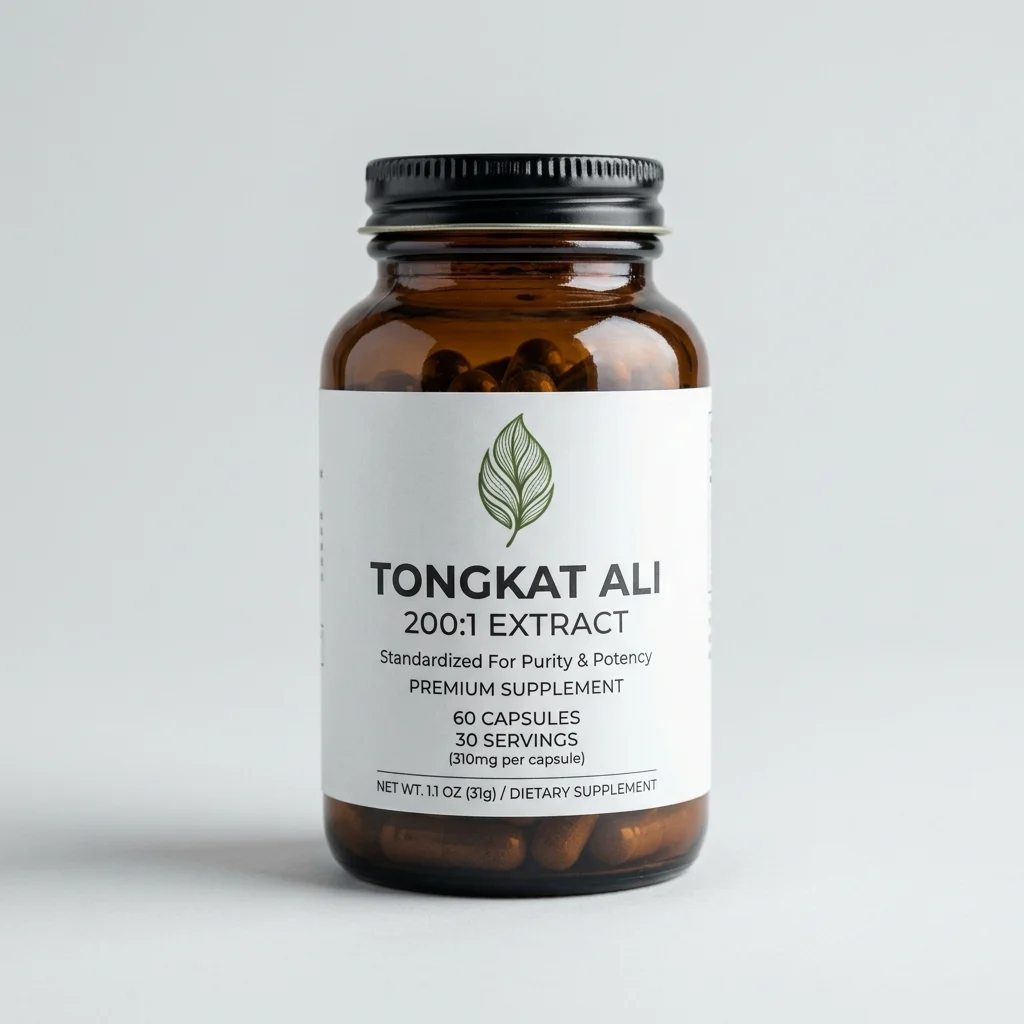
Tongkat Ali 200:1 Extract
High-potency Eurycoma Longifolia extract for natural testosterone support and cortisol modulation.
- 200:1 standardized extraction ratio
- Supports energy, stamina and hormonal balance
Treatment Modalities in Denmark: Gel, Injections, and Monitoring
In the Danish healthcare system, there are two primary clinical delivery methods for TRT. The first is daily transdermal testosterone gel applied to the shoulders or abdomen. Gel provides a smooth, steady daily absorption curve mimicking natural circadian release, though care must be taken to prevent skin-to-skin transfer to partners or children. PMID 27048704 PMID 32959857
The second common approach is intramuscular injections of long-acting testosterone undecanoate (Nebido). Administered every 10 to 14 weeks by a healthcare professional, injections eliminate daily application routines but require monitoring to prevent fluctuations in hematocrit (red blood cell count) and estradiol. PMID 27048704 PMID 32959857
Ongoing clinical management under TRT requires follow-up blood panels every 3 to 6 months to monitor PSA (prostate-specific antigen), hematocrit, liver enzymes, lipid profile, and blood pressure. When administered under competent medical oversight, TRT is highly safe and strongly associated with improvements in quality of life, metabolic health, and cardiovascular risk profiles. PMID 27048704 PMID 32959857
Internal Further Reading
Read also in the same cluster
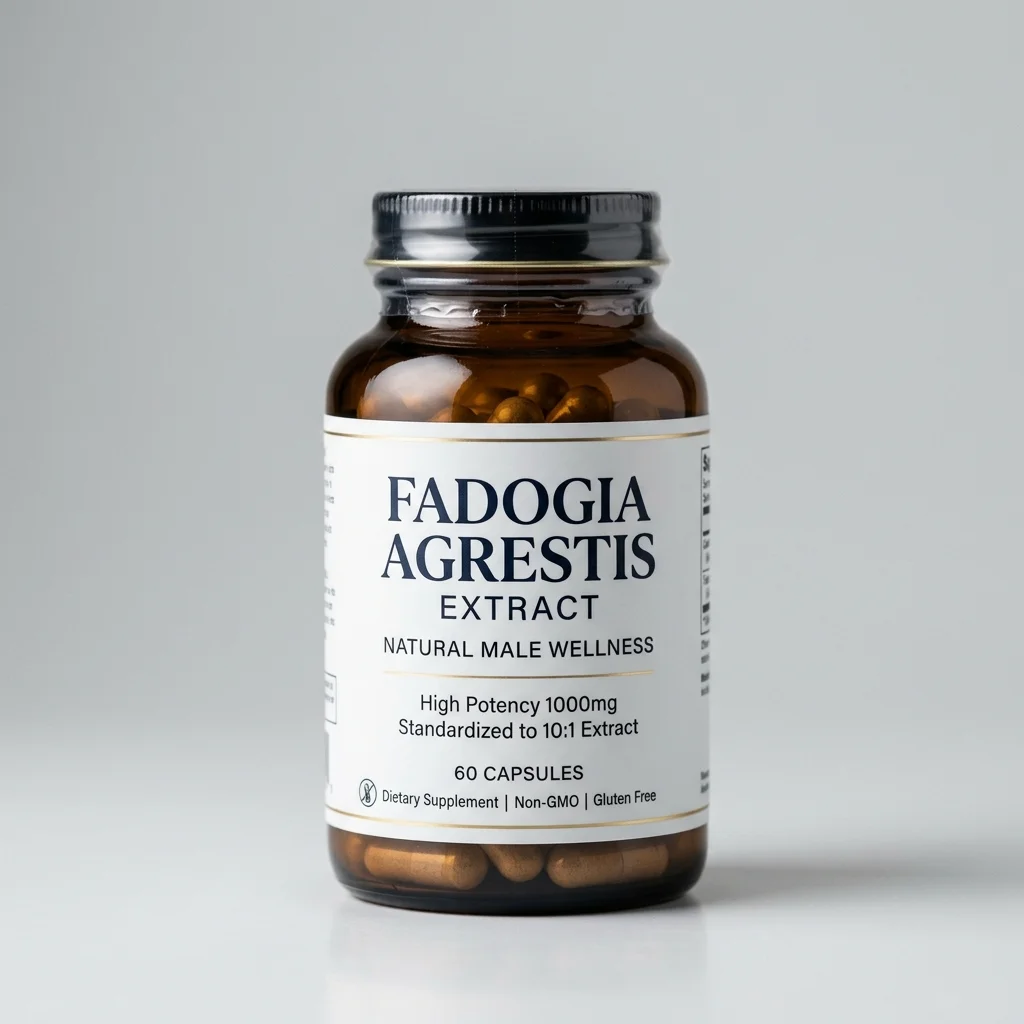
Fadogia Agrestis Extract
Standardized Fadogia Agrestis extract for natural luteinizing hormone (LH) and Leydig cell stimulation.
- Promotes endogenous testosterone production
- Synergistic with Tongkat Ali for hormone optimization
FAQ
Can you get a TRT prescription in Denmark?
Yes, if an endocrinologist or physician documents low testosterone across repeated morning blood tests accompanied by clinical hypogonadal symptoms.
Does TRT affect fertility?
Yes, exogenous testosterone suppresses pituitary secretion of LH and FSH, reducing natural sperm production. To preserve fertility, HCG (Human Chorionic Gonadotropin) can be co-administered under specialist supervision.
Is TRT a lifelong commitment?
In most cases yes, because exogenous administration suppresses endogenous production. It is a decision to be made following comprehensive medical consultation.
Sources and References
- [1]
- [2]
- [3]
- [4]
- [5]
Show all 5 sources (1 more)
Editorial History
19. juli 2026
Første publicering
Første version blev publiceret som del af metabolic health med intro, takeaways, FAQ og referenceblok.
19. juli 2026
Faglig gennemgang
Formuleringer, forbehold og interne links blev gennemgået for klarhed, konsistens og YMYL-tydelighed.
19. juli 2026
Seneste opdatering
TRT in Denmark (2026) fik opdaterede metadata, referenceoutput og forbedret beslutningsnær struktur.

Medical Review
Medical Review and Update Process
This article has been medically reviewed by Vadim Doroshenko with a focus on clinical accuracy, sources, disclaimers, and whether the conclusions still align with current scientific evidence.

Editorial Profile
Borys Viktorovytj Riabtsev
Borys Viktorovytj Riabtsev publishes Longevity Lab as a research-backed information project on precision medicine, metabolic health, and healthy aging, utilizing rigorous sources, independent medical review, and objective YMYL communication.